
Types of Paving Slabs and Their Pros and Cons
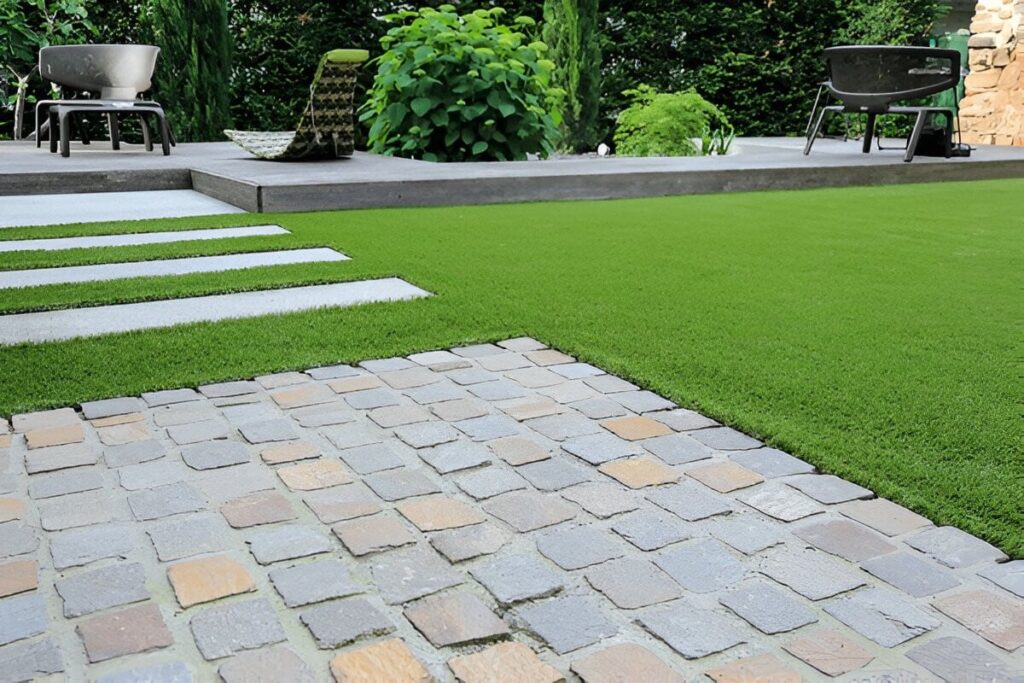
Choosing the rightpaving slabscan redefine a garden or outdoor space. With evolving design preferences and a broader selection of materials available, homeowners are seeking more durable, visually striking, and low-maintenance solutions. The search for the best type of paving slab in 2025 brings forward new favourites and refined classics that strike the perfect balance between style and practicality.
What Makes a Patio Slab the Best?
Material Quality and Longevity
Material quality remains the cornerstone of a reliable patio installation. Whether used for high-traffic paths or a quiet seating area, slabs must withstand the rigours of the British weather without cracking or fading. Slabs cut from high-grade stone or engineered to specific tolerances, like porcelain, offer consistency in thickness, density, and finish. These characteristics translate directly into structural integrity over time.
Lifespan is equally important. A good patio slab should retain its strength and appearance for a decade or longer with minimal upkeep. Premium materials reduce the risk of water absorption, frost damage, or moss buildup, which can shorten the life of cheaper alternatives.
Maintenance Levels and Ease of Cleaning
Low-maintenance paving is now a key demand, especially for busy households or those managing large outdoor areas.Porcelain pavingstands out here, with its stain resistance and smooth surface that resists algae and lichen. Regular rain is often enough to keep it clean, with occasional sweeping and power washing sufficient for upkeep.
Natural stones likeIndian sandstonerequire a more hands-on approach. Sealing the slabs can prevent discolouration and erosion, but even untreated stone holds up well with consistent care. The best slabs offer options—those that look good with or without regular maintenance.
Visual Appeal and Design Versatility
The right paving enhances the visual story of an outdoor space. From muted greys and creams to vibrant tones with fossil detailing, the aesthetics of the slab should harmonise with the property’s exterior and garden features. Textures matter too—smooth, sawn finishes bring a sleek, modern edge, while riven textures add traditional charm and a rustic feel.
Versatility also refers to how easily a slab integrates into different patterns or layouts. Whether laid in a uniform grid, a random pattern, or a herringbone arrangement, the best slabs give installers creative freedom. Some designs even combine materials, such as alternating sandstone with decorative setts, to produce depth and interest.
Porcelain Paving – Durable, Stylish, and On-Trend
Why Porcelain Remains Popular in 2025
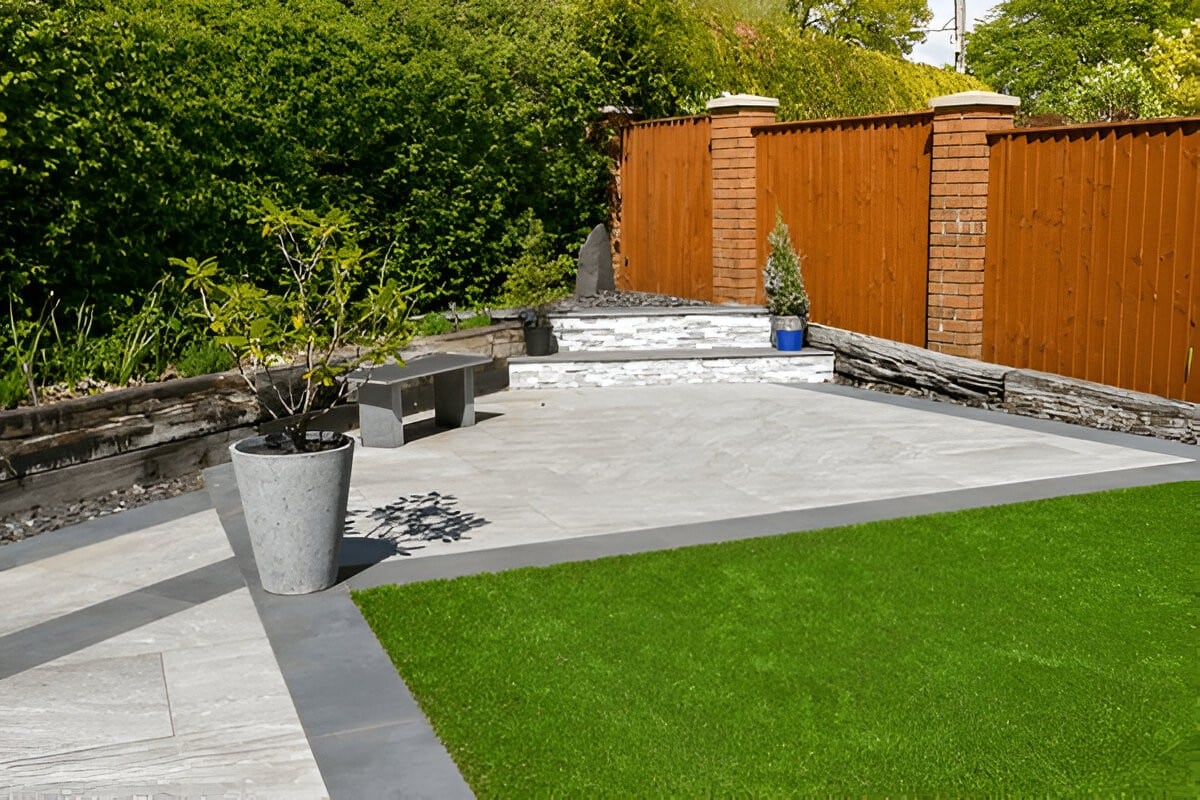
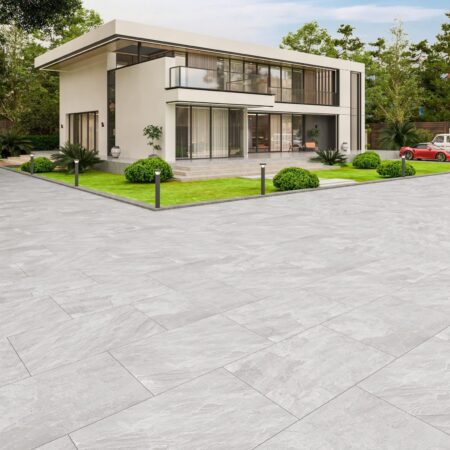
Porcelain paving continues to gain ground in 2025, offering consistent quality and sleek styling. As an engineered product, it delivers precise sizing and an ultra-low water absorption rate, making it ideal for patios, terraces, and pool surrounds. Its ability to mimic natural stone, concrete, or wood patterns adds to its growing appeal across modern and minimalist landscapes.
Its popularity stems not just from performance, but from the clean aesthetic it provides. With colours ranging from bone white to anthracite, and textures that resemble marble or slate, porcelain works well in both urban gardens and country settings.
Slip-Resistance, Fade Resistance, and Finish Options
Many porcelain slabs are manufactured with an R11 slip rating, meaning they’re safe for wet environments, including pool edges and shaded gardens. This level of grip, paired with a fine surface texture, keeps patios practical without sacrificing elegance.
Fade resistance is another standout feature. Unlike porous stones that can dull over time, porcelain retains its colour regardless of exposure to sun or rain. Finishes range from matte to polished, and can include subtle veining or grain effects that add natural visual interest.
Ideal Settings for Porcelain Slabs
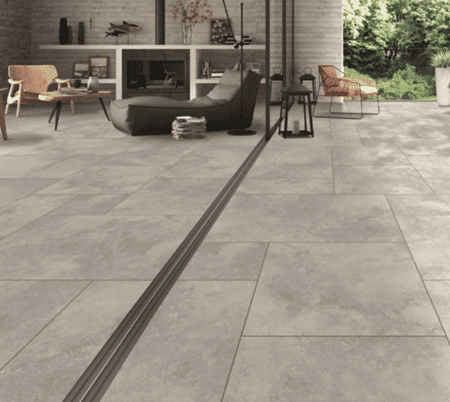
Porcelain suits contemporary spaces where clean lines and neutral tones are key. It’s frequently used for outdoor dining areas, courtyards, or patios connected to indoor spaces via bi-fold doors. Its consistent thickness also makes it easy to lay flush with interior tiles, creating seamless transitions.
As part of a larger design, porcelain can be bordered with darker setts or used alongside gravel to define zones. It can also be used for steps and coping stones, creating continuity across levels and surfaces.
Indian Sandstone – Natural Texture, Timeless Appeal
Colour Variations and Riven Finishes
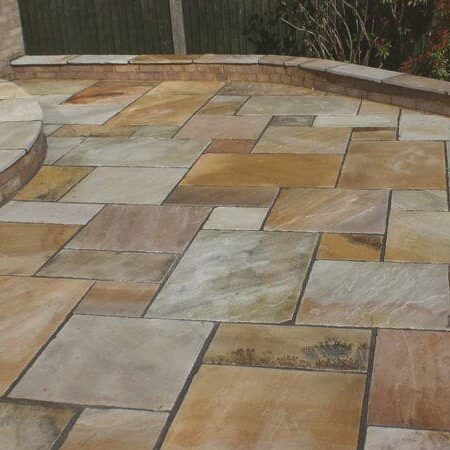
Indian sandstone offers an organic charm that remains a firm favourite for traditional and character-filled outdoor settings. One of its key attractions lies in the naturally occurring colour variations—ranging from soft beiges and pale greys to rich buff, brown, and even rose tones. These tonal shifts create unique paving layouts, where no two stones are identical, enhancing the handcrafted appearance.
The surface texture, known as riven, forms naturally as the stone is split. It provides an earthy, tactile finish that complements cottage gardens, period properties, and rural landscapes. These irregular surfaces can reflect light differently throughout the day, creating dynamic visual effects in both sun and shade.
Benefits of Indian Sandstone in Outdoor Settings
This material excels in versatility. Whether used for a winding garden path, a spacious patio, or edging around flowerbeds, sandstone adapts easily to different formats and spaces. Its textured surface offers good slip resistance underfoot, even in damp conditions. Thicker variants are also available for heavy-use areas such as driveways or communal gardens.
From a sustainability perspective, Indian sandstone is a natural material with relatively low embodied carbon. When sourced from reputable suppliers, it offers durability without the environmental footprint of more heavily processed alternatives. It also weathers gracefully over time, gaining character instead of looking worn or tired.
How Sandstone Adapts to Traditional and Modern Homes
Though commonly associated with rustic or traditional aesthetics, Indian sandstone can also enhance modern homes. Sawn and honed finishes—where the stone is cut flat and lightly polished—allow for sleeker installations. These are especially suited to properties with rendered exteriors, steel detailing, or minimalist planting schemes.
Layout plays a role too. While traditional properties benefit from irregular patterns or tumbled edges, contemporary homes might favour uniform sizes and tighter joints. Combining sandstone with modern lighting, raised beds, or structured planting can create a refined look that still feels grounded in nature.
Other Popular Types of Paving Slabs in 2025
Limestone and Its Natural Charm
Limestone continues to hold appeal thanks to its soft textures and mellow colour palette. Typically available in shades like blue-grey, beige, or off-white, it delivers a subtle elegance that works well in classic and Mediterranean-style gardens. It often features naturally occurring veining and fossil patterns that enhance its visual character.
Compared to sandstone, limestone is slightly denser and smoother, which can result in a more polished overall appearance. Its consistent tones make it ideal for creating unified spaces, especially when paired with matching wall copings or steps. However, it does require sealing to protect against discolouration in damp or shaded spots.
Granite and Sawn Smooth Finishes
Granite paving brings a refined, modern edge to any outdoor space. Known for its density and resistance to wear, it is especially suited to high-traffic areas or commercial projects. Available in shades of silver, grey, and charcoal, granite is often chosen for city gardens, courtyards, or urban terraces.
Sawn smooth finishes are typically machine-cut, giving each slab perfectly straight edges and a clean surface. This look is ideal for those who want a sharp, structured appearance. Granite also reflects light subtly, adding brightness to even compact or shaded patios.
Reclaimed Paving for Rustic Character
Reclaimed paving remains a niche but growing trend, appealing to those who favour sustainable design and aged aesthetics. Whether it’s York stone flags or old clay pavers, these materials bring authenticity that’s hard to replicate with new products. The imperfections—worn edges, colour shifts, and patina—become part of the charm.
These slabs are often used in heritage projects or to blend seamlessly with older architecture. While availability can be limited and costs higher, the results are unique and characterful. Reclaimed materials can also be mixed with new slabs for contrast, creating feature zones or focal pathways within a broader patio layout.
Choosing the Best Type of Paving Slab for Your Space
Climate, Usage, and Foot Traffic
Before selecting any paving slab, it’s important to consider how the space will be used and the environmental conditions it will endure. In wetter regions of the UK, low-porosity options such as porcelain are especially valuable for resisting moss growth and frost damage. In contrast, drier areas may allow for a broader selection, including untreated natural stone.
Foot traffic plays a major role in durability requirements. Heavily used areas, like main walkways or outdoor kitchens, benefit from denser materials such as granite or porcelain. Lighter-use areas, such as decorative garden paths or seating zones, can accommodate more delicate textures, including tumbled or antique-finished stone.
Complementing Architecture and Garden Features
The best patio slabs do more than function well—they blend into their surroundings and highlight key design elements. A period property with sash windows and stonework may benefit from the rustic texture of sandstone or reclaimed flags. In contrast, modern homes with large-format windows and clean lines often suit porcelain or sawn granite.
Garden features such as water elements, raised planters, or pergolas should be considered when choosing colour and finish. Light-toned slabs help brighten shady spaces, while darker shades anchor contemporary designs. Matching materials across steps, paths, and terraces provides a seamless flow.
Matching with Edging, Grout, and Accessories
No patio is complete without attention to detail. The jointing material, edging stones, and any bordering gravel or planting must complement the main slab. For porcelain paving, fine grout lines in a matching tone create a sleek effect. With natural stone, a more rustic joint finish can enhance the handcrafted look.
Edging can serve both decorative and structural purposes, keeping gravel in place or providing a contrast in material. For instance, using cobbles or setts around a sandstone patio adds definition. Accessories such as matching wall cladding or coping stones help tie the entire garden design together.
Paving Slabs for Sale – What to Consider Before Buying
Checking Product Grades and Quality Assurance
Not all paving slabs are created equal, even within the same material category. Before committing to a purchase, it’s worth understanding the difference between calibrated and uncalibrated stone. Calibrated slabs offer a uniform thickness, simplifying installation and ensuring a level finish. Uncalibrated stone requires more effort to lay evenly but may offer a more traditional aesthetic.
It’s also important to look for guarantees around product grading, particularly with imported natural stone. Reputable suppliers provide consistency in colour and thickness and will disclose whether slabs are sourced ethically. Certificates of authenticity or compliance with British Standards can further reassure buyers.
Why UK-Wide Delivery Matters
Nationwide delivery allows homeowners and tradespeople to plan installations without being restricted by local stock. For those working to deadlines or coordinating with contractors, reliable delivery is key. Timely, trackable service reduces project delays and helps keep costs under control.
In some cases, delivery charges are included in the product price, offering additional value. Access to delivery tracking, communication about dispatch, and secure packaging are all signs of a dependable supplier that understands customer needs.
Price vs Value: Getting the Best Deal
The phrase “paving slabs for sale” often attracts attention, but it’s crucial to weigh cost against quality. A discounted price may be appealing, but if the slabs lack consistency or weather poorly, long-term maintenance or replacement can negate the initial savings.
Instead, it’s better to consider value—how well the slabs perform, how easy they are to install, and whether they come with customer support or installation guides. Products backed by high ratings and strong customer feedback provide peace of mind. Trade discounts, seasonal offers, or multi-pack savings can also stretch a budget without compromising quality.
Design Ideas to Inspire a 2025 Patio Makeover
Geometric Layouts with Contrasting Colours
In 2025, homeowners are moving beyond traditional flagstone layouts and exploring bolder, more structured designs. Geometric patterns—such as herringbone, basketweave, and linear staggered formats—are becoming increasingly popular, particularly when paired with contrasting shades. Light grey slabs outlined with charcoal edging, or alternating tones in a checkerboard style, can make a patio feel more architecturally considered.
These layouts are especially effective in smaller spaces, where design precision adds impact without overwhelming the area. For those working with rectangular or modular slab sizes, laying in defined shapes can also streamline installation while enhancing the final look.
Mixing Materials for Zoned Areas
Creating distinct zones using different materials is a practical and attractive way to define usage within a garden. A patio might blend porcelain paving for dining areas with cobbles or sandstone for a relaxed seating zone. This multi-material approach helps separate functions visually, while still feeling cohesive when unified by edging or planting schemes.
Material contrast isn’t just visual—it also serves functional purposes. Textured natural stone may provide better grip around hot tubs or water features, while smooth porcelain allows for easy placement of furniture and planters. When used strategically, this mix can elevate a simple patio into a multi-purpose outdoor living space.
Edging, Steps, and Wall Cladding Accents
Details like edging and cladding often distinguish a well-finished garden from one that feels incomplete. Stone edging keeps borders neat and provides a frame for lawns, gravel, or flowerbeds. When laid alongside paving, it defines the perimeter and prevents soil encroachment, improving long-term upkeep.
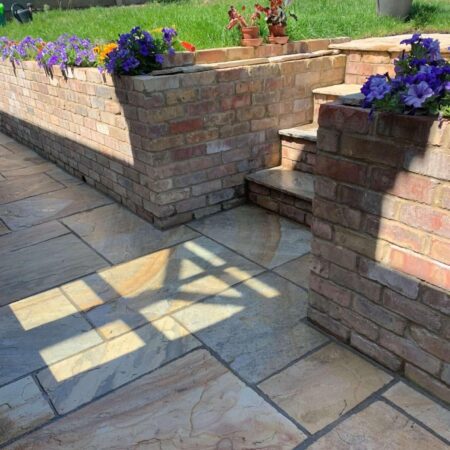
Steps made from the same material as the paving help to maintain visual continuity across levels, particularly on sloped sites. For a more bespoke look, cladding walls or raised beds with coordinated stone or porcelain adds a designer finish. These elements can also be combined with garden lighting to create ambience and extend usability into the evening.
Final Thoughts
Thebest patio slab ideas for 2025reflect a clear shift toward durable materials, thoughtful design, and seamless integration with the surrounding environment. While trends highlight the growing popularity of porcelain paving and bolder layouts, natural options like Indian sandstone continue to offer timeless appeal. Homeowners and landscapers alike are now focused on finding the best type of paving slab for each unique project—one that balances performance, aesthetics, and value.
Whether shopping for paving slabs for sale or planning a full garden renovation, informed choices about materials, layout, and detailing will result in a patio that remains practical and visually striking for years to come.

0 comments on “Types of Paving Slabs and Their Pros and Cons”