
Choosing Coloured Paving Slabs That Suit Your Garden
Why Colour Choice Matters in Garden Design
The role of paving slabs in outdoor aesthetics
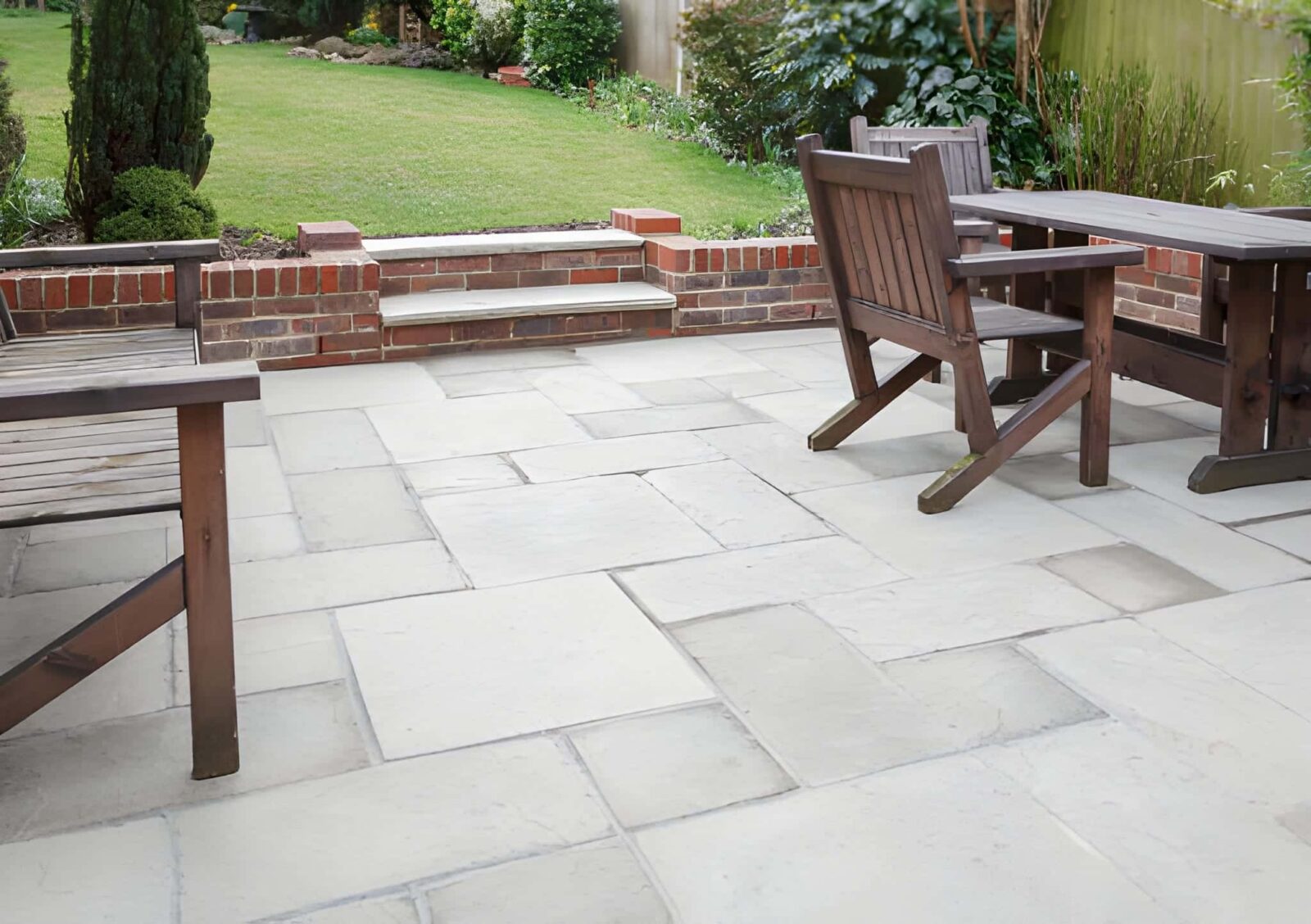
Paving slabs do more than create walkways — they anchor the visual tone of a garden. Whether framing a flower bed, outlining a dining area, or stretching through lawn space, the colour of paving slabs sets the stage for the overall feel. Rich, earthy tones lend warmth, while sleek greys and charcoals offer a more contemporary edge. For any layout, it’s the colour that brings cohesion between the natural and the built.
Creating contrast or harmony with planting
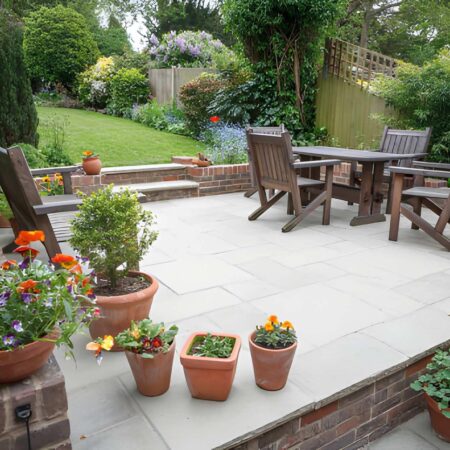
The choice of paving slabs for garden settings can either blend with or stand apart from the planting scheme. Soft greys and off-whites highlight vivid flowers and shrubs, while richer tones like bronze or brown complement foliage-heavy designs. By playing with contrast or tone-on-tone schemes, homeowners can shift focus, draw the eye, or soften sharp architectural lines.
Reflecting natural light and mood
Some slabs enhance the ambient light, especially in smaller or shaded gardens. Pale colours like cream or beige brighten dim spaces, whereas darker tones absorb light, creating a moodier, intimate setting. This makes colour not just an aesthetic consideration, but a functional one, especially for patios that double as entertaining zones.
Popular Paving Slab Colours and Their Effects
Grey tones for a contemporary feel
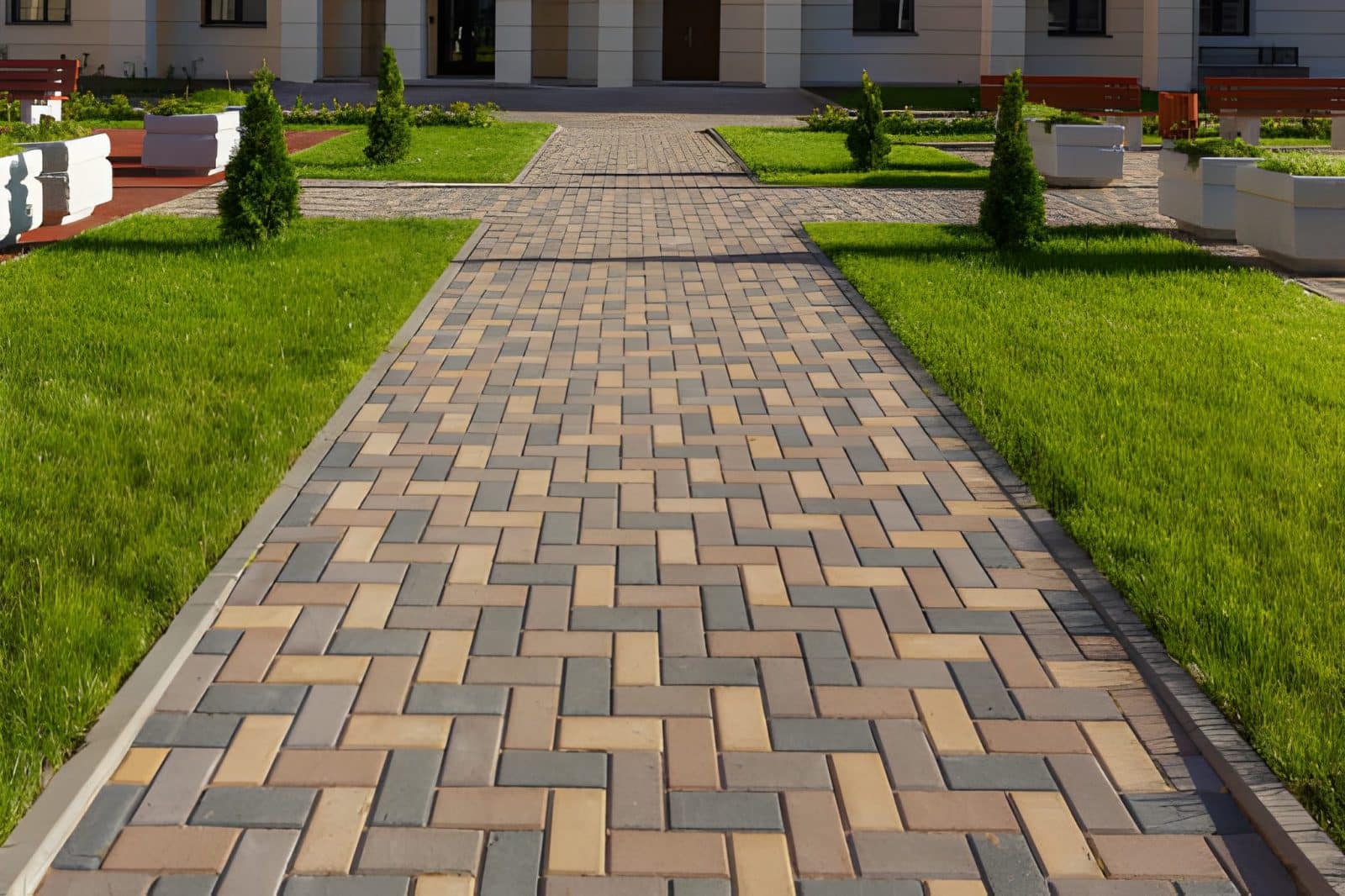
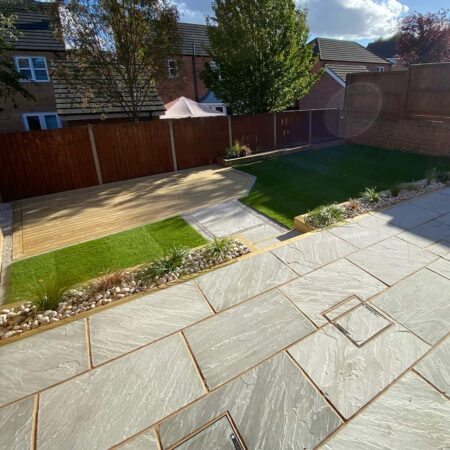
Grey has become a go-to shade in modern garden design. Ranging from cool silver to deep slate, grey paving slabs offer a neutral foundation that works well with minimalist furniture and architectural planting. When paired with metal or glass, they amplify a polished look, often seen in urban gardens.
Warm hues for rustic charm
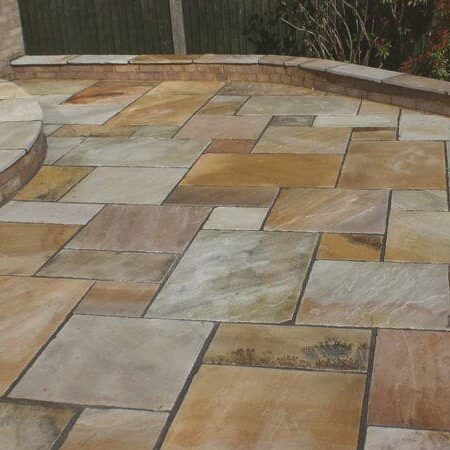
Terracotta, sandstone, and buff-coloured slabs evoke a more traditional aesthetic. These colours mirror those found in nature, blending seamlessly into gardens with mature planting or heritage features. Indian sandstone paving slabs are especially popular for this reason, offering tonal variation and a textured finish that enhances the relaxed character of rural gardens.
Neutral palettes for flexibility
Beige, ivory, and other neutral tones offer versatility. These colours work in both contemporary and classic settings, giving homeowners more freedom to update furniture or planting over time without clashing. Their timeless quality also supports resale appeal, should the property go on the market.
Matching Paving Slabs to Garden Styles
Traditional cottage gardens
For gardens filled with climbing roses, lavender borders, and rustic benches, warm-coloured slabs create harmony. Handmade-look finishes and slightly irregular edges mirror the softness of the planting. Indian sandstone works well here, especially in mixed buff or golden hues, where each slab has a slightly unique shade.
Modern minimalist outdoor spaces
Sleek paving slabs in uniform shades of grey or charcoal complement contemporary garden designs. These often feature geometric layouts, subtle planting, and clean lines. Patio porcelain slabs are ideal in this setting, delivering a low-maintenance surface with a crisp, modern look. Their consistency in tone and resistance to staining support minimalist principles.
Mediterranean and coastal-themed gardens
Pale paving slabs, especially in cream or light beige, support a Mediterranean feel. Combined with olive trees, herbs, and white garden walls, these colours reflect light beautifully. In coastal gardens, this palette pairs well with weathered wood and sea-themed accessories. Porcelain options are often chosen here due to their salt and slip resistance.
Choosing Materials by Colour and Finish
Indian Sandstone Paving Slabs and their natural tones
Indian sandstone paving slabs are known for their varied, earthy tones that blend seamlessly into outdoor environments. Colours range from warm ochres to cool greys, often within the same batch, offering a natural look that adds depth to a garden. These slabs age gracefully, with tonal variation enhancing their character over time. Their textured finish also provides a slip-resistant surface, making them a practical choice for British gardens where wet weather is common.
Sleek finishes with Patio Porcelain Slabs
Patio porcelain slabs offer a completely different aesthetic. These engineered slabs come in a range of precise colours, from polished stone grey to creamy whites, with finishes designed to mimic natural materials. Their refined surface and consistency make them ideal for those seeking a polished, uniform look. Unlike natural stone, porcelain slabs are non-porous, which means they resist stains and algae — a major advantage for patios that double as dining or social areas.
Texture and tone in natural stone vs manufactured options
Natural stone tends to carry tonal shifts, unique markings, and slight texture changes that give gardens a softer, more relaxed feel. In contrast, manufactured options like porcelain offer control over tone and finish. For homeowners seeking precision and minimal maintenance, porcelain suits contemporary builds. For those who value rustic charm, natural stone remains the first choice. The right colour often depends on whether the goal is uniformity or natural character.
Sizing and Layout: Making Colour Work Harder
Impact of large format paving slabs 900 x 600
Large format paving slabs, such as the popular 900 x 600 size, create a more open and seamless look in garden layouts. Fewer joints mean the eye travels more fluidly across the surface, allowing colour to shine uninterrupted. When used in pale or neutral tones, these slabs make smaller gardens appear larger. In deeper hues, they produce a bold, anchored look that suits expansive patios or structured garden zones.
Linear vs mixed layouts and how they affect colour perception
A linear pattern, where paving is laid in a grid or row, enhances the clean look of single-colour slabs. This is often used in contemporary settings with grey or black slabs. A mixed pattern, using different sizes and sometimes subtle colour shifts, creates movement and texture. This approach softens the overall look and can be especially effective with Indian sandstone, where variation is part of the appeal.
Borders and edging setts to define colour areas
Edging setts and borders can either complement or contrast the main paving colour. Using darker tones around pale slabs adds definition, while a lighter border around deep charcoal paving provides a softening effect. Borders also help separate functional zones, such as dining areas from lawns or pathways, without changing materials entirely. This allows for a cohesive design while still introducing multiple colours.
Finding the Right Balance Between Budget and Style
Where to look for a paving slab sale
The budget doesn’t need to limit colour choice. Many suppliers offer regular discounts or clearance ranges. A paving slab sale is often a good opportunity to secure premium colours at a reduced cost. It’s worth checking for bulk offers or trade discounts, especially when covering large areas. The key is ensuring the batch is consistent in tone, especially with natural stone.
Using colour effectively in cheap garden paving ideas
Cost-effective garden design can still incorporate thoughtful use of colour. Mixing budget-friendly slabs with a few premium pieces, like a coloured border or focal patio area, creates interest without overspending. Lighter shades can brighten dull corners, while darker tones are useful for high-traffic zones where wear and stains are more noticeable. The right shade, combined with clever layout, can elevate even the simplest designs.
Long-term value of premium colour finishes
While initial cost is important, long-term performance matters too. Porcelain slabs, although typically higher in price, maintain their colour with minimal upkeep. Natural stone develops a patina but rarely looks dated. Choosing colours that complement existing materials, withstand weathering, and resist staining reduces the need for costly replacements or cleaning products.
Final Tips for Choosing the Right Coloured Slabs
Sampling paving slabs before committing
Before committing to a full order, it’s worth requesting samples. Slab colours can appear different in person compared to online images, particularly under natural light. Viewing a sample in situ, at different times of day, gives a better sense of how the colour will work with existing garden features like fencing, brickwork, or planting. This step also helps assess texture and finish.
Considering weathering and maintenance
Some colours require more upkeep than others. Lighter slabs may show stains or algae more readily, particularly in shaded or damp areas. Darker tones, while more forgiving with marks, can fade slightly over time, especially in high-UV locations. Understanding how a slab’s colour will age — and how much maintenance is acceptable — can help narrow the choice. Porcelain slabs, due to their non-porous nature, often retain colour better and require less upkeep compared to natural stone.
How colours age and perform over time
Over time, outdoor conditions can shift the appearance of paving slabs. Natural stone will mellow, developing character through weather exposure. This can enhance the appeal in traditional or rustic gardens. In contrast, colour-stable porcelain resists fading, keeping a more consistent appearance for years. Choosing a colour that not only fits the current aesthetic but also matures gracefully ensures the paving remains visually appealing in the long term.
By carefully considering colour, material, and finish, it’s possible to select paving slabs for garden spaces that offer more than function. Whether drawn to the organic charm of Indian sandstone paving slabs or the sharp finish of patio porcelain slabs, the right colour choices will elevate the garden’s look year-round. And with savvy shopping — from finding a paving slab sale to incorporating cheap garden paving ideas — stylish results can be achieved within budget.
Large-format options like paving slabs 900 x 600 give colour extra presence, while thoughtful layout and border planning make every tone work harder. Colour isn’t just decoration; it’s a tool that defines, enhances, and transforms outdoor spaces.

0 comments on “Choosing Coloured Paving Slabs That Suit Your Garden”