
Why Kandla Grey Indian Sandstone is the Ideal Choice for Your Patio
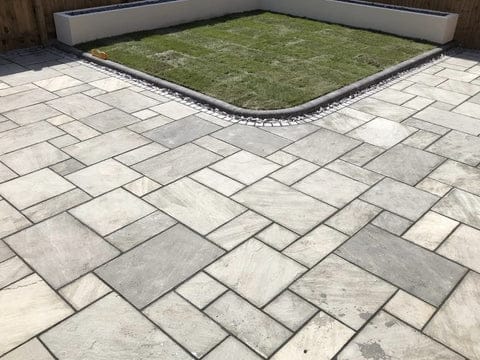
Introduction to Kandla Grey Sandstone
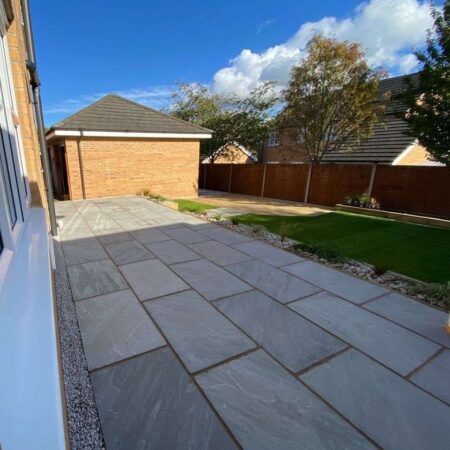
Kandla Grey Sandstone has become one of the most sought-after paving materials in the UK. Recognised for its consistent silver-grey tones, subtle tonal variation, and natural riven texture, it offers a refined yet rustic finish ideal for contemporary and traditional garden designs. Quarried primarily in India, this sandstone is a staple in British landscaping projects, especially patios, due to its adaptability and long-lasting appeal.
Origin and Characteristics
Sourced from quarries in the Rajasthan region, Kandla Grey Sandstone is a sedimentary rock formed over millions of years. Its fine-grain composition and natural layering give each slab a unique surface while maintaining visual consistency across installations. The light-to-mid grey colouration suits a range of settings, from cottage-style gardens to minimalist courtyards.
Each paving slab is hand-cut, which not only preserves the stone’s natural integrity but also enhances its textured surface. These subtle undulations add grip, making it suitable for areas exposed to rain and moisture.
What Sets It Apart from Other Natural Stone Paving Slabs
Among the many varieties of Indian Sandstone Paving Slabs available, Kandla Grey stands out for its consistent tone and versatility. While other stones feature warm reds or golden hues, this grey variant offers a neutral backdrop that pairs easily with garden features, furniture, and architectural materials like timber or steel.
The uniformity of colour and the strength of the stone make it ideal for those seeking an understated finish with reliable durability. It resists fading under UV light and performs well in the face of frost, rain, and algae build-up — crucial qualities for any paving solution in the UK climate.
Benefits of Using Kandla Grey Sandstone Outdoors
Durability in UK Weather
The UK’s unpredictable climate demands paving that can withstand heavy rainfall, frosts, and the occasional heatwave. Kandla Grey Sandstone performs reliably across all seasons. It doesn’t crack under frost, and it maintains its texture even with repeated freeze-thaw cycles. Its dense composition allows water to drain efficiently, which helps prevent pooling or erosion underfoot.
Low Maintenance Appeal
Once laid correctly and sealed, Kandla Grey requires minimal upkeep. A routine sweep and the occasional rinse with a mild cleaning solution will typically suffice to keep it looking fresh. Its natural variation also helps to hide light debris and surface marks, making it an ideal choice for family gardens or high-traffic areas.
Safety Underfoot – Slip Resistance and Texture
The natural riven surface of Kandla Grey provides a slightly uneven finish that enhances grip, even when wet. This makes it a safe choice for patios, pool areas, or pathways where slip resistance is a concern. Its tactile surface not only looks authentic but also supports secure footing — particularly useful in shaded garden zones or near water features.
Sustainability and Ethical Sourcing
Reputable suppliers ensure that Kandla Grey Sandstone is responsibly quarried under ethical labour practices. Many UK distributors now work directly with quarries that support fair wages and safe working conditions. Additionally, the stone’s long lifespan and minimal need for replacement contribute to its low environmental impact over time.
Kandla Grey Sandstone Design Trends
Contemporary Colour Palettes
The soft silver and ash tones of Kandla Grey sandstone design trends continue to align with modern garden aesthetics. These neutral shades sit comfortably alongside contemporary outdoor décor, especially when paired with minimalist furniture, raised planters, or metal accents. Homeowners are increasingly choosing muted paving to enhance natural textures, rather than dominate them — a trend that keeps Kandla Grey in high demand.
How Kandla Grey Complements Modern Landscaping
Kandla Grey Sandstone has a versatility that makes it compatible with multiple landscape styles. Its cool tone works seamlessly with concrete, glass, or corten steel, allowing for structured designs and clean lines. It’s equally effective when combined with soft landscaping features like turf, hedges, and perennial borders. As outdoor living areas continue to mirror indoor environments, Kandla Grey provides a smooth transition from house to garden.
Popular Laying Patterns and Formats
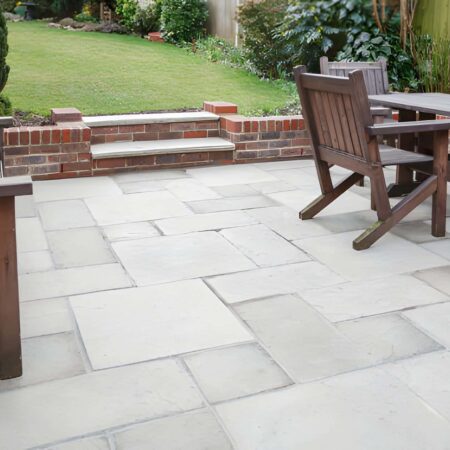
The stone’s availability in various sizes and calibrated thicknesses allows for a wide range of laying patterns, from random coursed arrangements to precise linear layouts. Customers often opt for mixed-size patio packs for a traditional look, or uniform-sized slabs for a more modern finish. Even in modest garden spaces, laying patterns like stretcher bond or herringbone add dimension and interest.
Pairing with Other Materials and Finishes
Whether combined with timber decking, rendered walls, or brushed stainless steel, Kandla Grey forms a cohesive base that doesn’t overpower. Its neutrality lets other materials take centre stage while maintaining balance in the overall design. This has made it a go-to option in multi-material outdoor renovations — especially where garden slabs are required to coordinate with built structures, fencing, or furniture.
Patio Applications and Garden Design Ideas
Garden Slab Placement Ideas
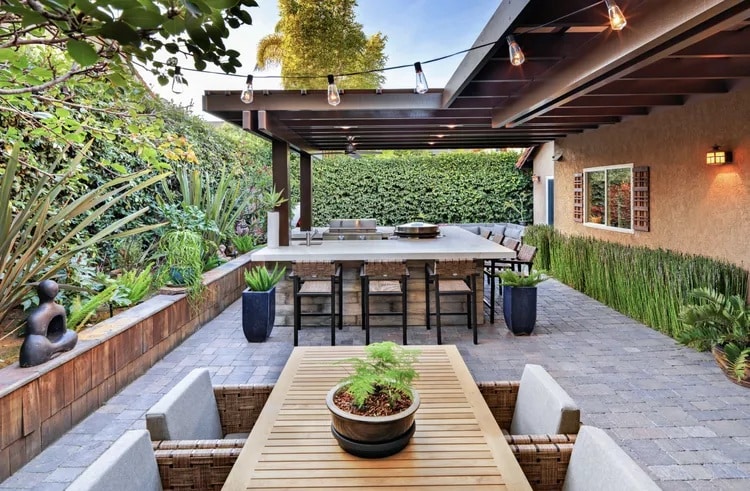
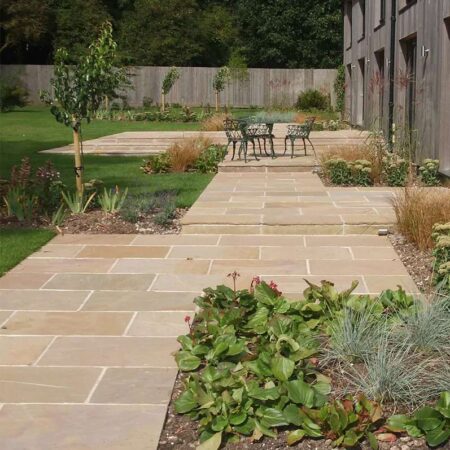
Kandla Grey sandstone garden slabs can be used creatively beyond standard patios. Stepping stones across lawns, paths to sheds or greenhouses, and even bench platforms benefit from its elegant finish and hardy surface. The consistent tone keeps things unified, even when the slabs are used in multiple areas of a single project.
Creating Zoning with Indian Sandstone Paving Slabs
Modern garden design often involves distinct zones — lounging, cooking, planting. Kandla Grey helps define these zones subtly without visual clutter. A slightly different laying pattern or edging choice can separate a dining area from a path or raised bed. The result is a space that’s organised yet still cohesive.
Matching with Wall Cladding or Edging
For those looking to create a continuous design, using Kandla Grey in both paving and wall features delivers a strong architectural effect. Edging setts in the same material keeps the aesthetic tight, while contrasting cladding (like slate or textured brick) can be used for visual contrast. The material’s versatility simplifies planning, whether upgrading a courtyard or installing a large garden patio.
Seasonal Flexibility and All-Year Usability
Because Kandla Grey maintains its colour in both sun and shade, and its surface remains usable throughout wet winters or dry summers, it supports year-round use. Outdoor heaters, pergolas, and waterproof covers are increasingly common in UK gardens — and this stone complements that trend by staying functional regardless of season.
Comparing Kandla Grey with Other Natural Stone Paving Slabs
Why Grey Shades Remain Popular
Grey has proven itself to be more than a passing trend. Its neutrality works in virtually every design setting, from bold and dramatic to soft and minimal. Garden designers often choose grey paving as a visual anchor, especially in spaces that change colour through the seasons. Kandla Grey Sandstone provides that flexibility, remaining consistent while the garden evolves around it.
Contrasts with Other Indian Sandstone Tones
Indian Sandstone Paving Slabs come in a wide range of colours — from the warm tones of Raj Green to the pinkish hues of Modak Rose. Kandla Grey sets itself apart by offering a cooler, more subdued appearance. It appeals to those who prefer understated design, as it doesn’t clash with planting schemes or dominant architectural elements.
While warmer tones can be more rustic or traditional, Kandla Grey leans modern without losing the charm associated with hand-cut natural stone paving slabs.
Kandla Grey vs Porcelain and Limestone
Porcelain is highly uniform and virtually maintenance-free, but it can lack the organic warmth of natural stone. Limestone, especially black or blue variants, offers depth but often fades under UV exposure. Kandla Grey sits in the middle — it offers the authenticity of quarried stone, better slip resistance than porcelain, and retains its tone more effectively than limestone. For many, it strikes the right balance between practicality and aesthetics.
Step-by-Step: How to Lay Patio with Kandla Grey Sandstone
Tools and Materials Required
Before starting, it’s essential to have the correct tools:
- Rubber mallet
- Spirit level
- Spade or shovel
- Pointing trowel
- Cement mixer or mixing tray
- Sub-base (MOT Type 1)
- Sharp sand and cement for mortar mix
- Jointing compound
Each item plays a part in ensuring the patio is structurally sound and visually level.
Preparing the Base
Begin by marking the patio area, then excavate to a depth of around 150mm. This allows for a 100mm compacted sub-base, 30-40mm mortar bed, and slab thickness. The ground should slope away from buildings to prevent water pooling. Compact the MOT Type 1 sub-base in layers to provide a firm foundation.
Laying Slabs Evenly
Mix a mortar bed using four parts sharp sand to one part cement. Spread the bed and press each slab into place, tapping lightly with a mallet. Use spacers for consistent gaps and check levels regularly. A fall of 1:60 away from the property is usually recommended to manage rainwater.
Jointing and Finishing
Once slabs are laid and set, fill joints with a suitable compound — brush-in products work well for ease and speed. These help stabilise the surface and prevent weed growth. Keep joints neat and uniform to maintain the overall design quality.
Common Mistakes to Avoid
One of the most frequent errors is laying slabs directly on sand or dry mortar — this leads to instability. Another is poor drainage, which results in puddling and long-term surface damage. Rushing the sub-base compaction or failing to maintain consistent joints can also compromise the finish and lifespan.
Maintenance Tips for Long-Lasting Results
Cleaning and Sealing Recommendations
To maintain the appearance of Kandla Grey Sandstone, basic cleaning is usually enough. Brushing away loose debris regularly will prevent staining from organic matter. For deeper cleans, a diluted solution of patio cleaner or mild soap can lift grime without damaging the stone. Avoid acidic cleaners, as they may erode the surface over time.
Applying a breathable sealant can help protect the paving from stains and algae build-up. Some prefer a dry-look sealant that preserves the natural appearance, while others opt for a wet-look finish to enhance the stone’s colour. Either approach is valid — the choice depends on the overall aesthetic.
Handling Seasonal Wear
Frost and moisture can take their toll on outdoor surfaces, but Kandla Grey is resilient when installed correctly. To help the patio endure winter, it’s advisable to remove any standing water and avoid allowing leaves or debris to accumulate, especially in shaded corners. Algae and lichen can form where water sits for extended periods, though this is typically easy to treat with an appropriate cleaner.
During summer, the stone rarely suffers from discolouration or expansion. Its density and fine grain prevent overheating, which keeps it comfortable underfoot — even in strong sun.
When to Re-Grout or Replace Sections
Over time, joints may loosen, especially in high-traffic areas. If pointing starts to crack or crumble, it’s a sign that re-grouting may be needed. Always use a product compatible with natural stone to avoid staining.
Individual slabs can be lifted and replaced if necessary. Because Kandla Grey maintains a consistent tone, it’s usually possible to match replacement slabs with existing ones — a significant advantage over more variegated stone types.
Conclusion: Timeless Appeal of Kandla Grey Sandstone for Patios
Kandla Grey Sandstone remains a reliable and stylish choice for patio installations across the UK. Its neutral tone, dependable performance, and compatibility with both traditional and modern designs make it a go-to solution for professionals and homeowners alike. Whether used as a garden slab for pathing, a primary surface for dining areas, or as part of a multi-material design, it delivers both form and function with lasting appeal.

0 comments on “Why Kandla Grey Indian Sandstone is the Ideal Choice for Your Patio”