
Porcelain Patio Slab Cleaning Made Simple: Best Practices for Long-Lasting Shine
Why Porcelain Patio Slabs Are a Popular Choice
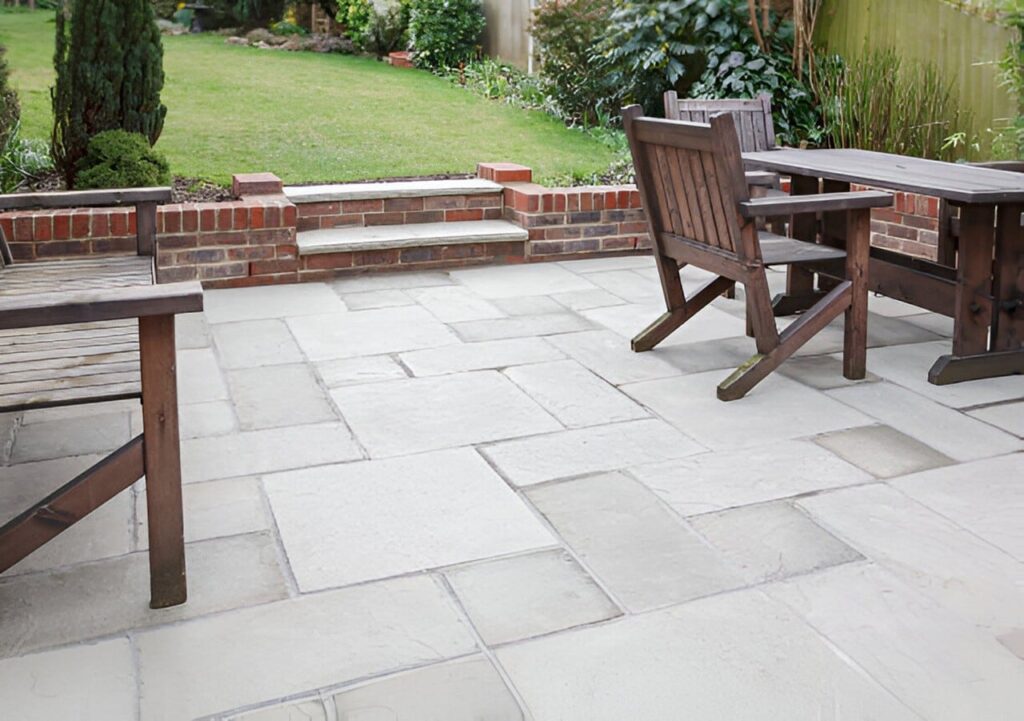
Porcelain patio slabs have become a standout option for homeowners and designers across the UK. Their sleek finish and impressive durability make them ideal for modern outdoor spaces, transforming patios into inviting extensions of the home. Resistant to scratches and fading, porcelain paving offers a practical solution without compromising on style. The low water absorption rate also means these slabs stay looking clean and fresh for longer, even in unpredictable British weather.
Beyond their technical advantages, porcelain slabs come in a wide variety of finishes and shades, including popular choices likeKandla Grey Porcelain. This variety allows for a high level of customisation, making it easier to achieve the perfect look, whether creating a bright entertaining space or a subtle, contemporary retreat. These benefits have helped porcelain paving gain popularity over traditional materials like concrete and natural stone.
Common Causes of Dirt and Stains on Porcelain Slabs
While porcelain slabs are known for their low maintenance, outdoor areas naturally accumulate grime over time. Fallen leaves, pollen, and mud can quickly build up, especially during the wetter months. Without regular care, these everyday residues can create a dull appearance and mask the slabs’ original finish. Areas with heavy foot traffic may also see more stubborn dirt, requiring deeper cleaning to bring back their shine.
Other common culprits include barbecue grease, food spills, and drink stains, which can leave marks if not addressed quickly. Algae and moss thrive in damp corners, creating slippery surfaces that not only look unappealing but also pose a safety risk. By understanding these causes, it becomes easier to develop a simple cleaning routine that maintains both the safety and aesthetic appeal of porcelain paving.
How to Clean Porcelain Slabs for Daily Maintenance
Tools and products worth having on hand
A few basic tools can make routine cleaning quick and hassle-free. A stiff-bristled broom is essential for sweeping away loose debris before any washing begins. A pH-neutral cleaner designed for outdoor stone or porcelain surfaces helps maintain the slabs without damaging the finish. A garden hose with a spray nozzle provides enough pressure to rinse off dirt effectively without the risk of surface damage that can come from power washers if used too forcefully.
In addition, keeping a bucket and a soft mop on hand offers a gentler option for smaller areas or spot cleaning. Microfibre cloths are handy for wiping off lighter marks, especially in visible areas around seating or dining spaces. With these tools readily available, keepingporcelain pavingin top condition becomes much more manageable, even with the demands of everyday life.
Steps for a quick weekly wash
A simple weekly routine can prevent build-up and preserve the slab’s natural sheen. Start by sweeping away leaves, dust, and other loose debris. Once clear, use a hose to wet the entire surface, loosening dirt before scrubbing. Applying a diluted pH-neutral cleaner and scrubbing in circular motions helps lift any settled grime, giving the patio a refreshed look. Rinsing thoroughly ensures no residue remains, which could otherwise leave streaks or attract more dirt.
After rinsing, allow the surface to air dry. Avoid using abrasive tools or harsh chemicals, as these can compromise the finish and make future maintenance more difficult. This straightforward approach works well across all styles of porcelain paving and supports the longevity of colours and textures, including delicate finishes like Kandla Grey Porcelain.
Mistakes to avoid when cleaning
Overuse of aggressive cleaning products is a common mistake that can lead to permanent damage on porcelain slabs. Strong acidic or alkaline solutions can erode the protective surface, making the slabs more susceptible to future staining. Another frequent error is using metal brushes or scrapers in an attempt to remove stubborn marks. These can leave scratches that disrupt the smooth appearance and compromise the durability of the slabs.
Another point to consider is the misuse of pressure washers. While these can be helpful for certain outdoor surfaces, excessive force can dislodge grout lines and etch the porcelain, especially around edges. Instead, gentle pressure paired with proper scrubbing tools provides a safer, more effective solution. By avoiding these pitfalls, porcelain paving remains looking as good as new for many years, reducing the need for costly repairs or replacements.
Deep Cleaning: Restoring Shine After Tough Stains
Choosing the right cleaning solutions
Sometimes, regular maintenance isn’t enough to tackle deeply embedded stains. In these situations, selecting the right cleaning solution is critical. A specialist porcelain cleaner formulated to remove organic stains can address marks from leaves, moss, or food spills without harming the slab. These solutions are typically applied directly and left to act for a short period before scrubbing and rinsing.
It’s important to always follow product instructions closely to avoid unintended damage. Spot testing on a less visible area first can provide reassurance that the cleaner won’t affect the colour or finish. This careful approach ensures the porcelain paving retains its original appearance and avoids creating patchy areas that can be difficult to correct later.
Removing stubborn moss and algae
Moss and algae not only make patios slippery but can also stain the surface if left unchecked. A targeted biocide treatment works well for these organic growths, breaking them down and preventing regrowth. Applying the treatment during dry weather ensures better absorption and longer-lasting results. Once treated, a gentle scrub followed by thorough rinsing helps clear away any residue and revive the slabs’ original brightness.
Regularly addressing moss and algae helps maintain both the aesthetic and safety of outdoor spaces. With consistent care, even areas prone to shade or dampness can stay free from green patches, reducing the likelihood of accidents and preserving the inviting look of porcelain paving throughout the year.
How to tackle food and drink spills
Outdoor dining areas are often the scene of accidental spills, whether from a dropped glass of wine or a splash of sauce. Acting quickly is essential to prevent stains from setting. Start by blotting the spill with an absorbent cloth to remove as much liquid as possible. Next, clean the area with warm water and a mild detergent or a pH-neutral cleaner, using a soft brush to gently lift any residue.
For more persistent marks, a dedicated stain remover for porcelain surfaces can be applied, always ensuring proper rinsing afterward. Addressing spills swiftly and carefully helps protect the slab’s finish and reduces the risk of permanent discolouration. Over time, this habit supports a consistently clean and welcoming patio area, perfect for entertaining guests or enjoying quiet evenings outdoors.
Preventative Care to Keep Porcelain Slabs Looking New
Regular sweeping and rinsing
Regular sweeping is one of the simplest yet most effective ways to preserve the appearance of porcelain paving. Dust, small stones, and organic debris can cause micro-abrasions over time if left to accumulate. A thorough sweep once or twice a week, depending on the season and location, keeps surfaces free from these materials and minimises potential staining.
Rinsing with a garden hose after sweeping helps remove any lingering dust and refreshes the look of the patio. For households in areas with higher tree coverage or more frequent rainfall, increasing the frequency of this routine can prevent algae and moss formation. Together, these simple steps offer a cost-effective strategy to protect the slabs’ visual appeal throughout the year.
Dealing with harsh weather
British weather can be unpredictable, with cycles of heavy rain, frost, and strong sunlight all in a single month. While porcelain paving is less porous and more resistant to weather-related issues than other materials, proactive care is still vital. During winter, avoid using rock salt or harsh chemical de-icers, as these can harm both the surface and surrounding grout. Instead, opt for a gentle grit or sand to provide traction without compromising the slabs.
In hotter months, prevent thermal shock by avoiding sudden applications of cold water on sun-heated slabs. This simple habit helps avoid cracks or structural stress. Seasonal awareness ensures porcelain patios maintain their integrity and finish, providing a consistent outdoor retreat regardless of the weather.
Sealing: Is it necessary?
One common question is whether porcelain slabs require sealing. Unlike materials such asIndian Sandstone Slabs, porcelain typically does not need to be sealed because of its low porosity. This feature helps prevent staining and makes routine maintenance simpler. However, some homeowners choose to seal the grout lines to prevent weed growth and improve overall longevity.
Those considering sealing should select products specifically designed for porcelain paving and follow manufacturer guidelines. While optional, sealing grout lines can enhance resistance to dirt and make future cleaning sessions easier. Ultimately, deciding to seal depends on individual preference and site-specific factors, but it is not essential for maintaining the porcelain surface itself.
Comparing Porcelain Slabs with Indian Sandstone Slabs
Maintenance needs of Indian Sandstone Slabs
Indian Sandstone Slabs have long been admired for their natural beauty and warm, earthy tones. However, they require more regular maintenance than porcelain due to their porous nature. Without sealing, sandstone can absorb water and stains more easily, leading to a higher risk of algae and moss build-up. Seasonal resealing and more frequent deep cleaning become necessary to keep the surface looking fresh and prevent discolouration.
In contrast, porcelain paving offers a more hassle-free experience, needing only occasional deep cleans and simple weekly upkeep. For those who prefer a lower-maintenance patio without sacrificing aesthetic appeal, porcelain stands out as a practical choice. This difference often influences the decision for homeowners wanting a clean, modern outdoor space without the additional effort.
Durability and stain resistance
Porcelain paving excels in durability and stain resistance compared to Indian Sandstone Slabs. The manufacturing process creates a dense, hard-wearing surface that can withstand heavy foot traffic and everyday wear. Spills and environmental stains have a much harder time penetrating porcelain, reducing the risk of lasting marks.
On the other hand, sandstone, while robust, is more vulnerable to weather fluctuations and staining. Over time, this may lead to higher maintenance costs and the need for replacement slabs in some areas. Choosing porcelain means investing in a patio that not only looks sophisticated but also remains functional and visually appealing with minimal ongoing effort.
Visual differences and design flexibility
Porcelain paving offers a modern, sleek finish that suits contemporary outdoor spaces, while Indian Sandstone Slabs provide a more rustic, traditional feel. Porcelain is available in a wide range of colours and patterns, including realistic stone and wood effects, giving homeowners greater freedom to create a tailored look. The uniformity of porcelain slabs also allows for a cleaner overall design, with fewer variations and a more controlled aesthetic.
Indian sandstone, by contrast, has natural tonal variations and unique veining, which some find appealing for creating a characterful patio. However, this variation can sometimes lead to challenges in achieving a perfectly consistent design. Ultimately, the choice comes down to personal preference — whether prioritising the refined, uniform finish of porcelain or the organic charm of sandstone.
Special Considerations for Kandla Grey Porcelain
Colour maintenance tips
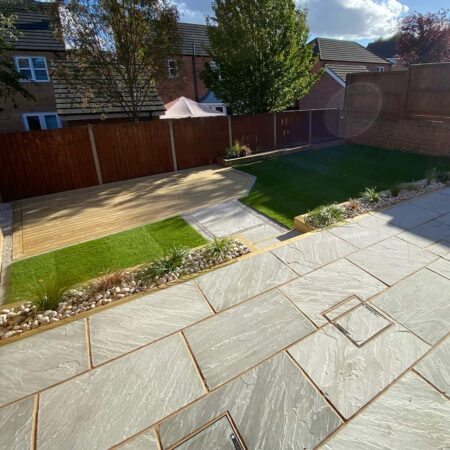
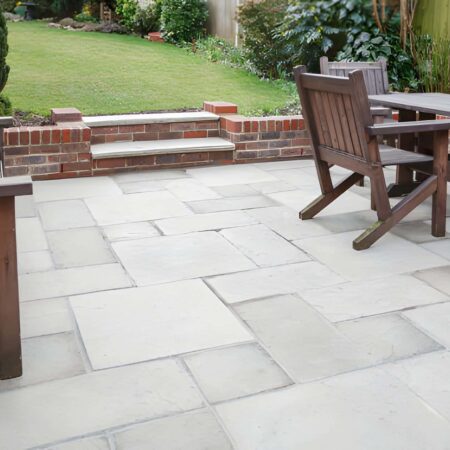
Kandla Grey Porcelain stands out for its sophisticated, understated colour that works beautifully in both classic and modern settings. Maintaining this soft grey tone involves regular gentle cleaning, as outlined in earlier sections, to prevent dirt from dulling the subtle shade. Avoid using strong bleach or acidic products, as these can cause discolouration or patchy fading over time.
It’s also worth protecting the area from heavy plant pots or metal furniture feet, which might scratch or mark the surface. Using protective pads under furniture and avoiding dragging items across the patio will help maintain the crisp appearance of Kandla Grey Porcelain for years. With minimal effort, this elegant surface remains an eye-catching feature in any outdoor space.
Highlighting the subtle tonal variations
Kandla Grey Porcelain offers delicate tonal variations that add depth and interest to a patio without overwhelming the overall design. These subtle shifts in shading can enhance light reflection and create a dynamic yet calming outdoor environment. To fully appreciate this, it helps to keep the surface clean and free of debris that can obscure these variations.
Regular sweeping and occasional mopping with a pH-neutral cleaner keep the colour balanced and vibrant. Over time, the gentle differences in tone become a defining characteristic, providing visual richness that stays consistent across seasons. Homeowners who value understated elegance often find Kandla Grey Porcelain an ideal choice for creating a versatile outdoor retreat.
When to Call in the Professionals
Benefits of professional cleaning
Even with regular maintenance, there are times when professional cleaning services provide clear benefits. Professionals bring specialised equipment and expertise, allowing them to remove deep-seated stains and revitalise the original surface without risking damage. This is especially valuable for large patios or areas that have been neglected for extended periods.
Hiring a professional also saves time and effort, offering peace of mind that the work is done thoroughly and safely. For homeowners looking to restore a patio before a special event or at the start of summer, professional services can provide a noticeable refresh that may be difficult to achieve with at-home methods alone.
What to expect from a service
A professional cleaning typically begins with an assessment to determine the best approach, taking into account the slab type and the condition of the surface. From there, tailored treatments — including gentle pressure washing and the use of approved chemical cleaners — help remove algae, moss, and ingrained dirt. These services often include a final rinse and optional protective treatments for grout lines.
Customers can usually expect minimal disruption, as many services are completed within a day depending on patio size. After a professional clean, ongoing maintenance becomes much easier, and the results can significantly extend the lifespan and beauty of porcelain paving. Choosing this option every few years can complement regular home care routines and keep the patio in excellent condition.
Final Thoughts on Long-Lasting Shine
Caring for porcelain paving doesn’t have to be complicated. By following simple daily and seasonal habits, homeowners can maintain a fresh, inviting patio without heavy effort. Whether it’s the crisp tones of Kandla Grey Porcelain or another design, these slabs reward consistent, gentle care.
Knowing how to clean porcelain slabs properly means fewer worries about stains and more time enjoying the space. With occasional professional support and mindful routines, a porcelain patio will continue to impress guests and provide a relaxing outdoor retreat for years.
FAQs
1. How often should I clean my porcelain patio slabs?
For best results, sweep your porcelain patio slabs once or twice a week to prevent build-up of dust, leaves, and debris. A quick wash with a pH-neutral cleaner every 1–2 weeks keeps the surface looking fresh. Deep cleaning is only necessary a few times a year or when stains appear.
2. Can I use a pressure washer on porcelain paving?
Yes, but with caution. Use a low to moderate pressure setting and avoid aiming directly at grout lines or slab edges. High-pressure water can dislodge grout or scratch the surface, so it’s best to pair gentle pressure with a soft scrub for safer, effective cleaning.
3. Do porcelain patio slabs need sealing?
In most cases, porcelain slabs do not require sealing due to their low porosity. However, sealing the grout lines can help prevent weed growth and make future cleaning easier. If sealing is preferred, always use products formulated specifically for porcelain paving.
4. How do I remove moss and algae from porcelain slabs?
Apply a biocide treatment during dry weather to break down moss and algae effectively. After a few hours, gently scrub and rinse the area. Regular treatments and proper drainage can help prevent regrowth and maintain surface safety.
5. What’s the best way to clean food or drink stains on porcelain patios?
Act quickly! Blot the spill immediately with a cloth to absorb excess liquid. Clean the area using warm water and a pH-neutral cleaner. For stubborn stains, apply a porcelain-specific stain remover, scrub gently, and rinse thoroughly to avoid discolouration.

0 comments on “Porcelain Patio Slab Cleaning Made Simple: Best Practices for Long-Lasting Shine”