
Essential Tips for Choosing the Perfect Paving Slabs for Your Patio
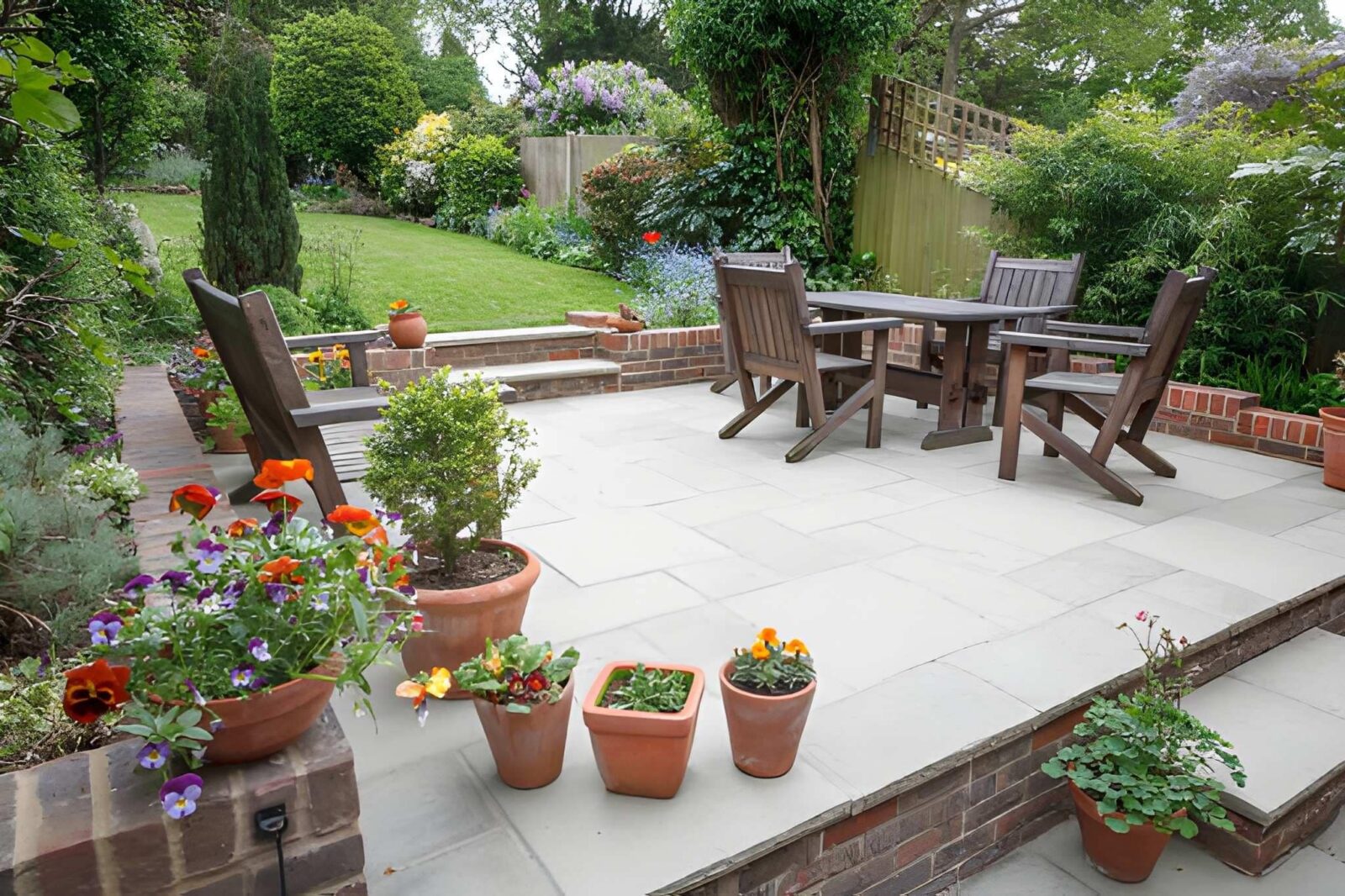
Creating a well-designed patio starts with choosing the right materials. The visual appeal, durability, and ease of maintenance all depend heavily on selecting suitable paving slabs. Whether working on a compact urban courtyard or a large garden patio, understanding the materials and planning accordingly helps avoid expensive mistakes.
Understanding Patio Requirements
Assessing Space and Layout
Before exploring materials, it’s important to assess the area being paved. Is the space designed for dining, relaxing, or as a walkway to other parts of the garden? A compact courtyard might benefit from smaller slabs to enhance a sense of space, whereas larger patios often look balanced with wider formats. Measuring dimensions accurately helps reduce waste and manage costs.
Considering Foot Traffic and Functionality
The frequency and nature of use should guide the slab selection. A quiet garden nook sees different demands than an area expected to host barbecues or large gatherings. Heavily used patios benefit from harder-wearing slabs that resist abrasion and stains. Non-slip finishes should be prioritised for safety, especially in shaded or wet conditions.
Climate and Weather Resistance
UK weather can be unpredictable. Slabs exposed to frequent rainfall need to be non-porous or sealed to prevent moss growth and frost damage. Porcelain performs exceptionally in such conditions due to its low absorption rate. Natural stone, when properly treated, also holds up well, offering longevity alongside character.
Types of Paving Slabs to Consider
Indian Sandstone
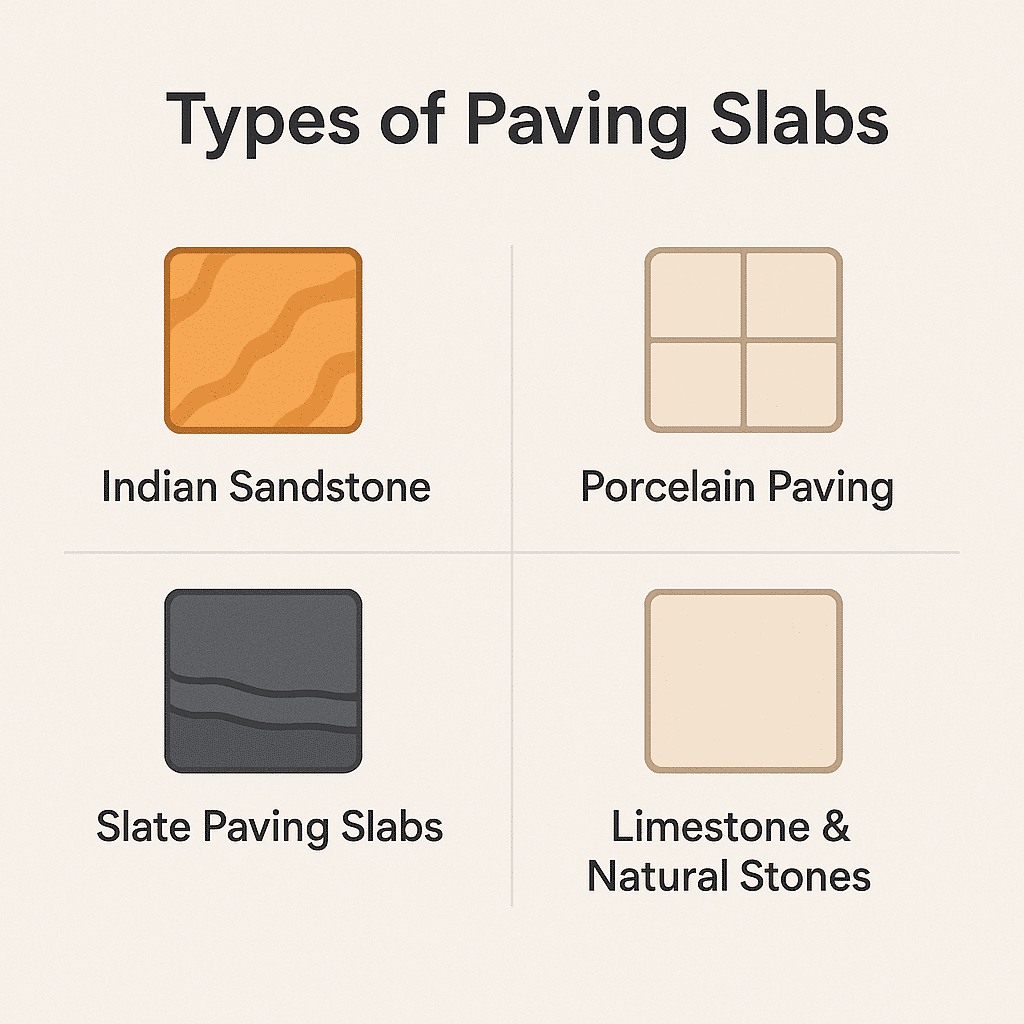
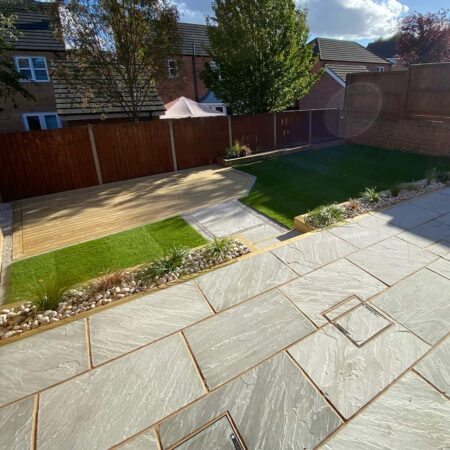
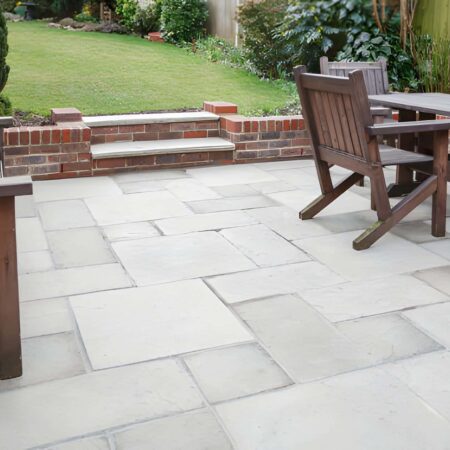
A popular choice for its natural colour variations and lightly riven texture, Indian sandstone suits both traditional and contemporary patios. Its affordability, coupled with strong performance outdoors, makes it a frequent feature in British gardens.
Porcelain Paving
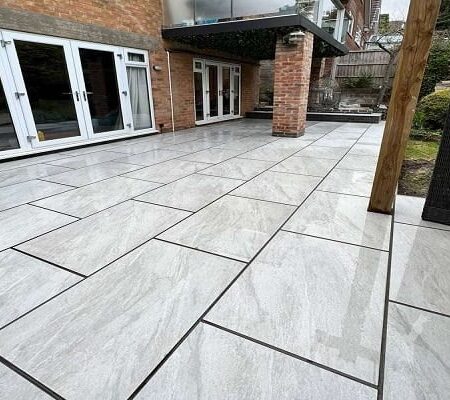
Engineered for performance, porcelain is extremely low-maintenance and available in various styles. It mimics the look of stone, concrete, or even wood, offering design flexibility. It resists scratches, fading, and staining, and its non-slip options make it ideal for family homes.
Slate Paving Slabs
Slate offers rich, layered tones and a luxurious finish. It performs well underfoot and weathers gracefully. Best suited to properties with classic or rustic design features, slate paving slabs add elegance without compromising strength.
Limestone and Other Natural Stones
Limestone offers smoother textures and often more uniform colouring than sandstone. It’s softer, so care is needed in high-traffic areas. Other options, like granite or travertine, suit specific aesthetic goals and are often used in premium projects.
Style and Aesthetic Matching
Choosing a Colour Palette
The paving should complement surrounding elements like fencing, plants, and outdoor furniture. Lighter tones can make small patios feel larger, while darker shades help hide dirt and offer a more dramatic, modern look. Sandstone and limestone come in warm creams, buffs, and greys, offering flexibility across various garden styles.
Textures and Finishes
Finish affects both appearance and safety. Riven textures provide a rustic feel and better grip underfoot, particularly useful in damp areas. Smooth or sawn finishes offer a sleek, contemporary appearance but may require sealing to improve slip resistance.
Blending with Garden Design
Paving should tie in with overall landscaping. For cottage gardens, natural stones with irregular edges suit the informal layout. In contrast, porcelain slabs in clean lines work well in structured gardens with raised beds and geometric planting schemes. Cohesion between paving and greenery enhances the sense of space.
Budgeting and Cost-Effective Choices
Comparing Natural vs. Manufactured Slabs
Natural stone often carries a higher upfront cost but delivers character and durability. Manufactured alternatives like concrete or porcelain may be cheaper per square metre and easier to install. They’re often designed to mimic the look of stone, offering a practical compromise between budget and aesthetics.
How to Spot Value in a Paving Slab Sale
Discounts can make premium slabs more accessible, but it’s worth checking the grade, thickness, and supplier reputation. During a paving slab sale, quality materials often move quickly, so decisions should be well-informed but timely. Sales may include clearance items or end-of-line ranges, offering a chance to secure a deal.
Long-Term Savings Through Quality
Cutting corners upfront can lead to higher costs down the line. Inferior materials may fade, crack, or stain easily, requiring premature replacement. Opting for quality slabs saves time and money on sealing, cleaning, and maintenance. Porcelain, in particular, stands out for its low lifetime cost.
Practical Considerations for Driveways and Dual-Use Areas
Paving Slabs for Driveways
Driveways need thicker, more robust slabs than standard patios. Reinforced slabs or thicker natural stone can withstand vehicular weight without cracking. When selecting paving slabs for driveways, consider materials that blend strength with style to maintain visual continuity across outdoor areas.
Strength, Thickness, and Load-Bearing
Look for slabs at least 40mm thick for driveways, ideally with a compacted sub-base. Natural stones like granite or dense porcelain tiles offer excellent compressive strength. Installation quality is just as important—poor preparation leads to movement and damage over time.
Drainage and Maintenance Tips
Slabs should be laid with a slight fall to direct water away from buildings. Choosing permeable materials or installing proper drainage reduces pooling and frost damage. Regular cleaning and sealing (where needed) maintain appearance and grip, particularly in shaded areas prone to algae.
Where to Buy and What to Look For
What Defines Quality in Patio Slabs
A high-quality Patio slab feels dense, cuts cleanly, and shows consistent colouring throughout. Porcelain tiles should meet outdoor slip ratings and have UV resistance to prevent fading. For natural stone, look for minimal layering, as this can be a sign of weakness. Clear product specifications and images help gauge quality, especially when buying online.
Tips to Buy Garden Paving Online
Ordering paving online offers access to a wider range, often at better prices. Before deciding to buy garden paving, check whether the supplier offers samples, clear lead times, and customer support. Online retailers that include installation guides, sealing advice, and aftercare tips tend to offer more than just product listings—they provide support for the full project lifecycle.
Comparing Suppliers and Reading Reviews
Customer reviews are a valuable tool when selecting a supplier. Look for consistency in delivery quality, packaging, and customer service responsiveness. Suppliers offering free UK delivery and trade discounts can present long-term value, particularly for repeat buyers or larger projects. Transparent pricing and a wide selection across stone types also indicate a reliable source.
Final Considerations
Choosing paving slabs involves more than picking a pattern or shade. It requires balancing form and function while considering the unique characteristics of the space. Materials like sandstone, slate, and porcelain each bring something distinct to a project. Matching those qualities with personal priorities—be it low maintenance, high strength, or visual harmony—ensures the end result is both beautiful and practical.
Those seeking quality at a discount should watch for a paving slab sale to find premium materials at a better rate. Likewise, for multifunctional areas, choosing suitable paving slabs for driveways that work with the rest of the garden layout makes a difference. Whether it’s the rustic charm of slate paving slabs or the convenience of ordering online to buy garden paving, the right choice transforms a patio into a true outdoor living space.

0 comments on “Essential Tips for Choosing the Perfect Paving Slabs for Your Patio”