
How Porcelain Paving Is Redefining Garden Design in 2025
The Rise of Porcelain in Outdoor Spaces
Shifting preferences in hard landscaping material
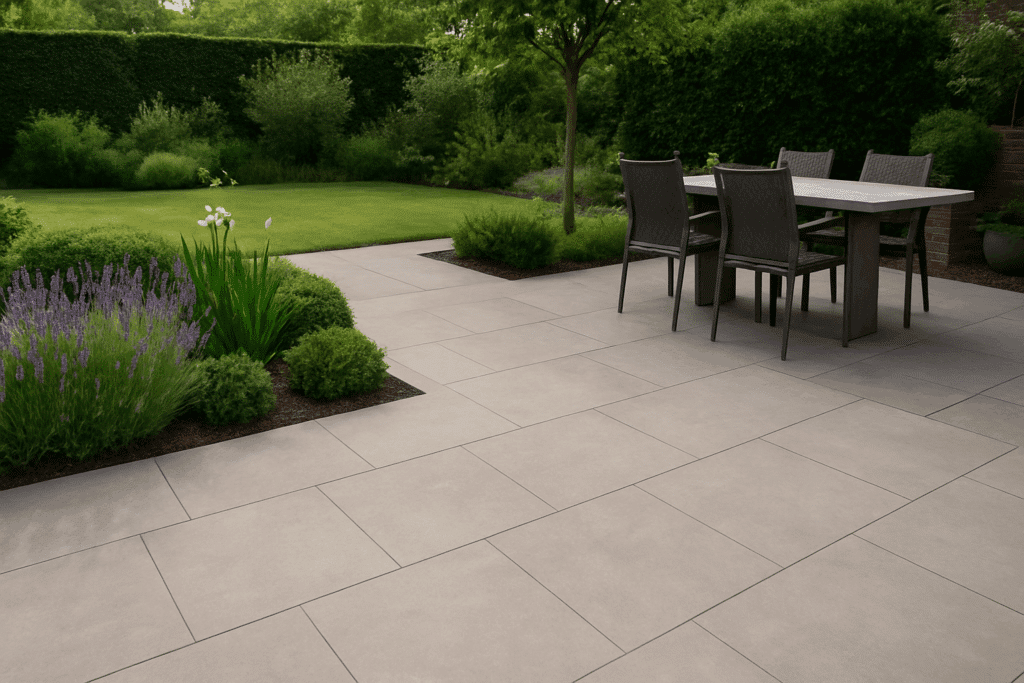
Homeowners and landscape designers have steadily moved away from traditional options like concrete and natural stone, instead favouring materials that combine practicality with contemporary aesthetics. Porcelain paving has emerged as a standout in this transition. In 2025, it’s clear this trend is more than a passing phase. Demand continues to climb, driven by its balance of performance and appearance.
Unlike concrete or sandstone, porcelain resists wear and discolouration even in high-traffic or weather-exposed zones. The surface doesn’t absorb moisture, meaning it doesn’t suffer from frost damage or green staining as easily. As expectations rise for low-maintenance gardens that maintain their appeal across all seasons, porcelain consistently delivers.
What sets porcelain paving apart
Porcelain paving isn’t just about durability. Its manufacture allows for near-perfect consistency in tone, shape, and finish, giving outdoor spaces a cleaner, more structured appearance. This visual uniformity appeals to modern tastes, where symmetry and control are favoured over rustic irregularity.
Beyond looks, porcelain also outperforms other materials when it comes to maintenance. It’s non-porous, which means it resists algae, staining, and fading with far less effort. A simple occasional wash is usually enough to keep it looking fresh. That convenience is particularly appealing for those who want elegant gardens without committing to intensive upkeep.
Long-term benefits and material resilience
Investing in a quality garden finish means choosing materials that retain their form over years. Porcelain paving is extremely hard-wearing. It resists scratches from furniture or pets, and won’t crumble or degrade in extreme heat or cold. Whether installed in a compact city courtyard or a large family garden, it stands up to daily life without losing its appearance.
Porcelain’s resilience also supports sustainable garden design. Its longevity reduces the need for replacement or repair, lowering both cost and environmental impact. In a time where both durability and sustainability influence buying decisions, porcelain positions itself as a smart long-term option.
Why Porcelain Paving Fits Modern Garden Trends
Clean lines and minimalism in 2025
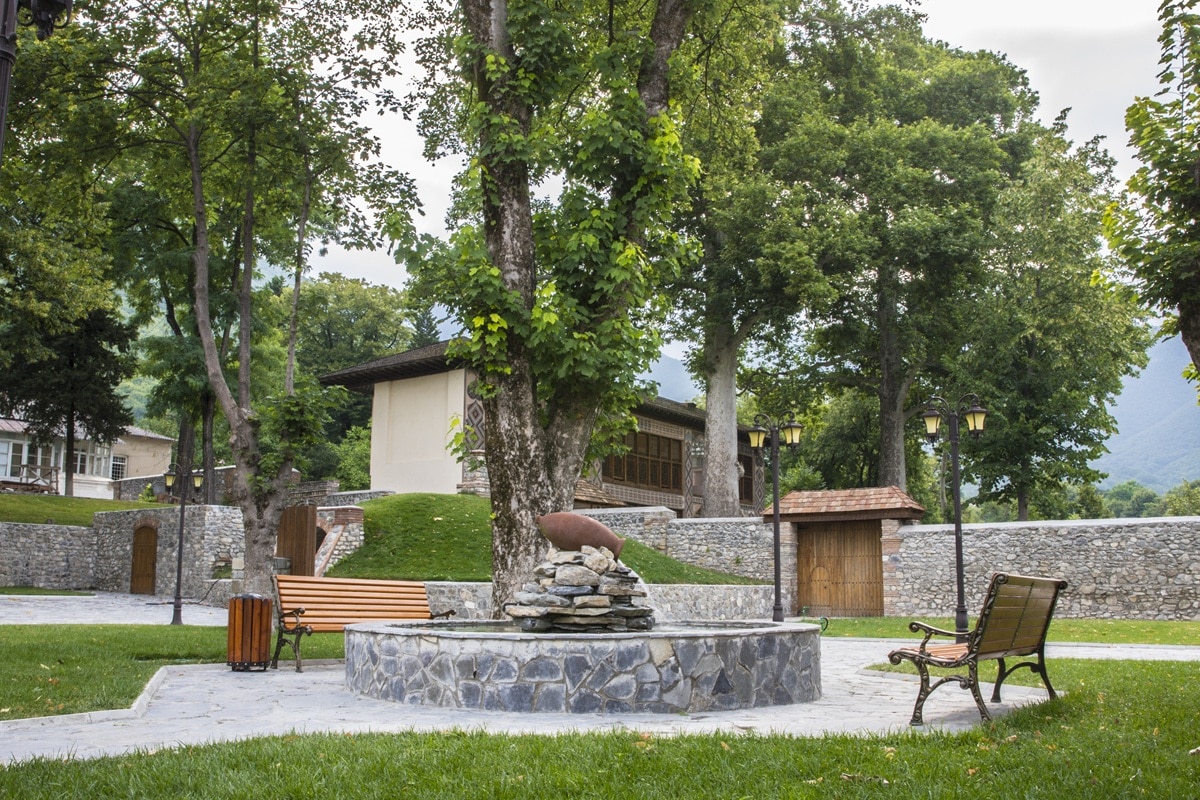
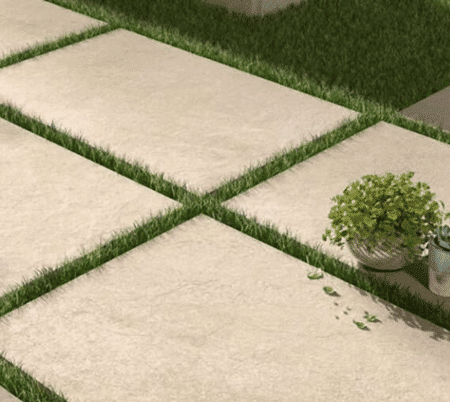
Current garden design heavily favours simplicity, structure, and clean edges. Porcelain paving suits these ideals perfectly. Its smooth finish and availability in large, uniform slabs allow for neat installations that align with minimalistic outdoor aesthetics. Pathways and patios laid in grid formats offer structure without visual clutter.
In 2025, the use of straight lines and angular patterns has become a dominant look in exterior design. Porcelain supports this with its sharp-edged slabs, lending itself to well-defined spaces, whether that’s a sleek dining area, a calm reading spot, or a walkway that ties a design together.
The appeal of neutral and natural tones
Neutral tones continue to dominate garden palettes, and porcelain offers a wide range of finishes to meet this demand. Greys, beiges, soft creams, and charcoal shades are consistently popular, not only for their versatility but for the way they pair with natural elements.
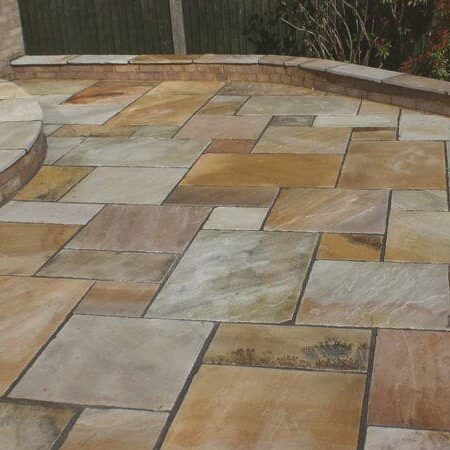
Porcelain also replicates the appearance of natural stone, wood, and even concrete, without the associated upkeep. That means homeowners can achieve a natural look without worrying about moss buildup, crumbling edges, or uneven colouration. The ability to choose finishes that complement planting schemes or garden furniture has made it easier to create cohesive outdoor spaces.
Integration with outdoor living spaces
Porcelain paving has become an integral part of designing outdoor rooms. More than just a surface, it connects garden zones — from kitchen patios to lounge terraces. The variety of finishes means it can continue internal flooring styles outside, allowing seamless transitions from indoor to outdoor areas.
Thanks to its slip resistance and weatherproofing, porcelain is also ideal for pool surrounds, hot tub areas, and outdoor kitchens. Designers often use it to bring coherence and functionality to spaces that need to be beautiful and practical.
Spotlight on Kandla Grey Porcelain Paving
Versatility across garden sizes
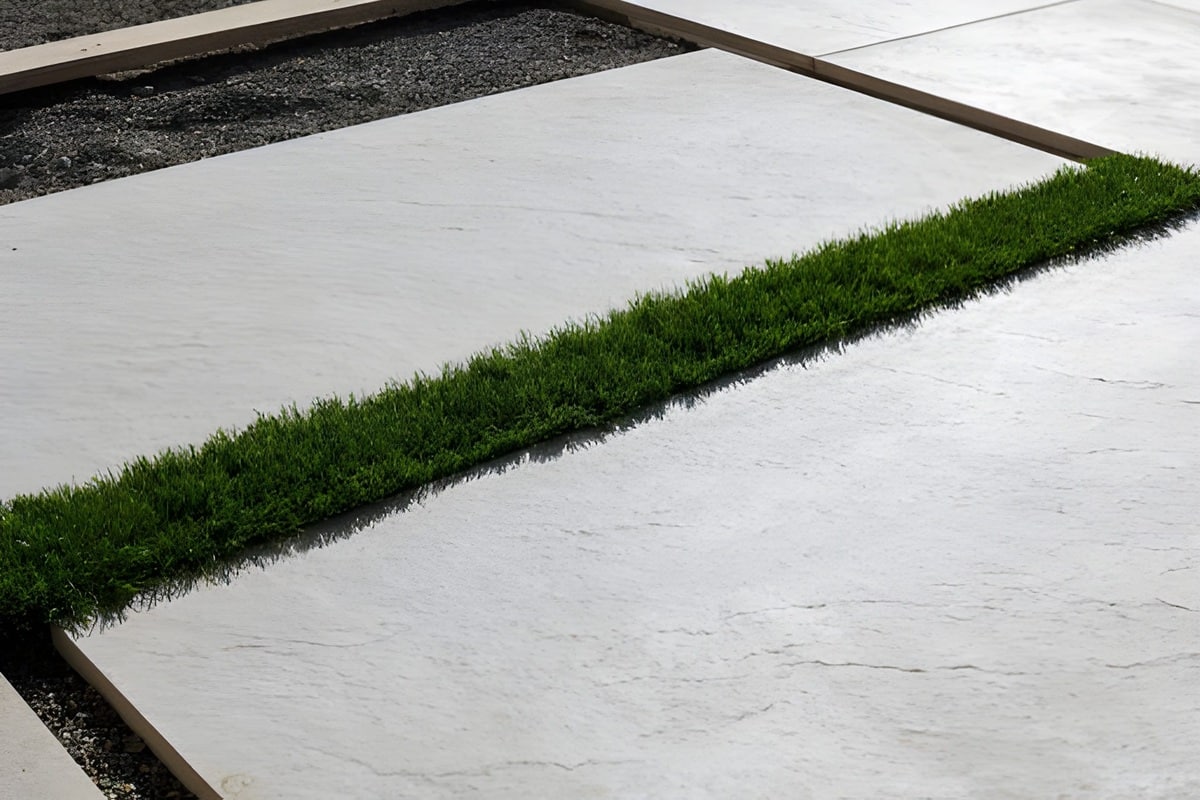
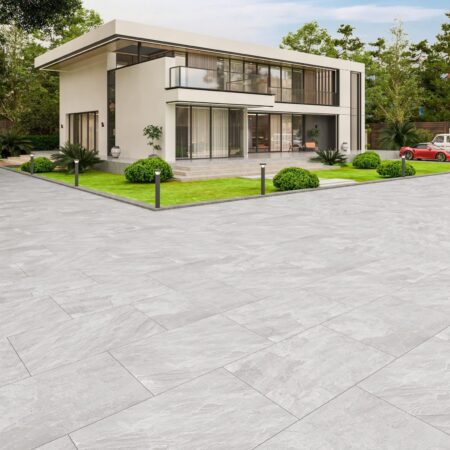
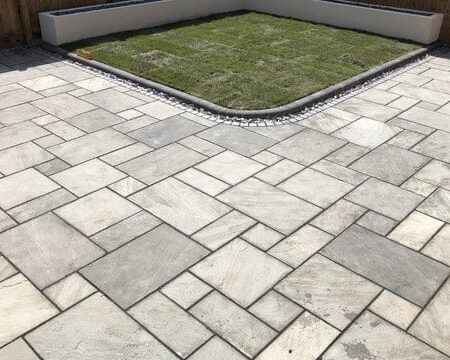
Kandla Grey porcelain pavinghas become a go-to option for homeowners working with all types of outdoor spaces. Whether it’s a compact urban garden or a large, open-plan backyard, its soft mid-grey tone adapts easily to different layouts. It brings cohesion without overwhelming smaller gardens, while also offering a subtle, structured base in larger areas.
The beauty of Kandla Grey lies in its neutrality. It supports a variety of design styles, from contemporary minimalism to more natural planting schemes. It doesn’t demand attention, but instead provides a consistent, refined surface that elevates the surrounding materials — be it timber fencing, lush foliage, or statement planters.
Popular settings for Kandla Grey
In 2025, many design-conscious homeowners are choosing Kandla Grey porcelain paving for patios, garden paths, and poolside areas. It provides a contemporary aesthetic without appearing too stark. The colour works particularly well with white or black exterior features, timber seating, and even industrial-style metal fixtures.
It’s also increasingly used to frame raised beds, define outdoor dining zones, or border lawns. The gentle tone provides contrast against greenery while softening the harder elements of a space. Its ability to bridge soft and hard landscaping makes it a staple for garden designers aiming for balance.
Blending aesthetics with functionality
Beyond its visual strengths, Kandla Grey porcelain also performs well under pressure. Its resistance to moisture and staining means it stays clean and uniform, even with frequent foot traffic or exposure to the elements. For families or those who entertain regularly, it offers peace of mind — no worrying about wine spills, barbecue grease, or muddy pawprints.
For those looking to invest in a material that holds its beauty and withstands the British climate, this shade of porcelain proves highly reliable. It’s become synonymous with dependable design: stylish, yet straightforward to live with.
Selecting the Right Grey Porcelain Paving Slabs
Factors influencing colour and texture selection
Grey porcelain paving slabs are not a one-size-fits-all solution. Differences in shade, veining, and finish can dramatically change the mood of a space. Lighter greys can brighten shaded gardens, while darker tones offer a sense of grounding and contrast. Some slabs mimic the grain of natural stone, while others lean towards smooth, minimalist aesthetics.
Whenselecting grey porcelain paving slabs, it’s essential to think about light exposure, existing structures, and the overall feel of the garden. A slab that looks ideal in-store can appear quite different once laid outdoors. Sample testing in natural light is a useful step in choosing the right tone for the environment.
Finish types and slip resistance
The finish of a slab does more than influence its appearance. It affects safety and practicality too. Matt finishes are most popular for outdoor use due to their anti-slip surface, which performs well in wet weather. Some slabs include a lightly textured surface for added grip, making them ideal for pool areas or sloped gardens.
In 2025, many porcelain options are manufactured with R11 slip resistance ratings — a key consideration for families, especially where young children or older adults may be navigating the space. The right finish balances visual appeal with peace of mind.
Matching slabs with furniture and planting schemes
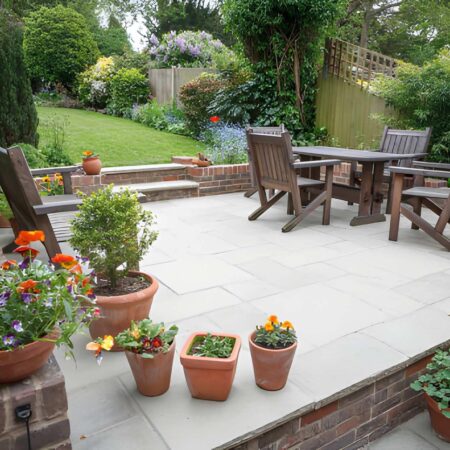
Grey porcelain works well with most garden furniture styles. Warm-toned timbers, powder-coated metal sets, or rattan pieces all sit comfortably against grey tones. Coordinating furniture legs or cushions with slab veining can bring subtle cohesion. For those aiming for a sleek look, monochrome palettes using grey slabs, white planters, and black accessories create impact without becoming visually noisy.
In planting schemes, grey porcelain acts as a neutral anchor. It enhances the vibrancy of flowering plants, herbs, and foliage while keeping the space grounded. Whether paired with ornamental grasses or structured box hedging, the slabs provide a clean base that doesn’t compete with the greenery.
Black Porcelain Slabs and Contemporary Design
Achieving striking contrasts in small gardens
Black porcelain slabsare being used more frequently in compact gardens to introduce drama and structure. Rather than closing in a space, deep tones offer depth and richness. When combined with well-considered lighting and light-coloured walls or fences, the contrast adds definition without making the area feel smaller.
This style is particularly effective in gardens with limited space, where every visual element needs to be deliberate. Black slabs draw the eye and frame zones — perfect for courtyard seating or as a backdrop for sculptural plants.
Pairing with metallics and architectural features
Black porcelain also works beautifully alongside contemporary materials like brushed steel, galvanised planters, or corten steel edging. It emphasises the clean lines of modern design and enhances architectural planting styles. Where some paving can fade into the background, black porcelain defines the space, acting almost like an interior floor.
It’s an increasingly popular choice for garden makeovers that aim to feel more like an extension of indoor space — sophisticated, streamlined, and finished with care.
Design Freedom: Paving Layouts and Patterns
Large-format slabs for a seamless look
One of the biggest visual advantages of porcelain paving is the availability of large-format slabs. These oversized options reduce the number of grout lines, creating a seamless, open feel that’s especially effective in modern garden layouts. The uninterrupted surface mimics interior flooring, giving outdoor spaces a polished, expansive look.
In 2025, this design choice is especially favoured in minimalist gardens and outdoor kitchens. Large-format slabs work particularly well in smaller spaces, where reducing visual clutter makes the area appear more spacious. The simplicity of this style allows furniture and planting to take centre stage.
Mixing sizes and tones
Porcelain paving allows far greater creative flexibility than many traditional materials. Mixing slab sizes — for example, combining 600×600 with 900×600 — introduces texture and movement without overwhelming the space. Designers often use this technique to break up wide expanses of paving or to define transition zones between different functional areas.
Some are also choosing to mix tones within a grey palette. Pairing light and mid-grey slabs in a structured pattern can highlight seating areas or lead the eye towards focal features like water elements or raised beds. This measured approach to contrast avoids messiness while still introducing interest.
Creating bespoke paving designs for gardens
A growing number of homeowners are working with landscapers to develop bespoke paving patterns.Porcelain slabsare well-suited to more intricate layouts — including basketweave, offset stacks, or diagonal arrangements — thanks to their uniform edges and sizing.
These designs don’t just look good; they also serve practical purposes. Laying slabs diagonally across a rectangular garden, for example, can make the space feel wider. Borders using contrasting slabs add definition to steps or transitions. When done with intention, the paving becomes more than just a surface — it becomes a feature in its own right.
Porcelain as the Best Choice for Garden Paving
Durability and weather resistance
British weather can be harsh on outdoor materials. Rain, frost, and UV exposure all take their toll. Porcelain paving, however, is designed to resist these pressures. Its surface doesn’t absorb water, which means it won’t crack or chip from frost. It also holds its colour, even under direct sun, making it a stable choice for long-term installations.
This resilience has made porcelain thebest choice for garden pavingfor those who value both beauty and practicality. While other surfaces may degrade or require sealing, porcelain continues to perform well with very little attention, even in high-wear zones.
Low maintenance appeal
Few garden materials are as easy to care for. Because porcelain is non-porous, spills and stains rarely leave a mark. Moss and algae find it difficult to take hold, even in shaded areas. Regular sweeping and the occasional wash with soapy water are typically enough to keep the surface looking fresh.
This low-maintenance appeal is particularly attractive in 2025, where outdoor spaces are expected to be both stylish and effortless to manage. Homeowners no longer want to spend hours scrubbing patios or dealing with flaking surfaces — and with porcelain, they don’t need to.
Long-term cost-effectiveness
Although the initial investment in porcelain paving may be slightly higher than basic concrete or sandstone alternatives, its longevity makes it cost-effective over time. There’s less need for repairs, sealing, or replacement. It also maintains its appearance for years, which adds value to the property and saves on refurbishment down the line.
For those weighing up long-term value, porcelain represents a solid investment. It supports modern aesthetics, demands little maintenance, and performs reliably in all weather conditions — a trio that few other materials can match.
Final Considerations for a Porcelain-Paved Garden
Planning ahead for drainage and edging
While porcelain paving brings clear advantages in durability and aesthetics, proper installation is key to achieving the best results. One essential aspect is drainage. Porcelain slabs are non-permeable, so any water needs to be guided away from the surface efficiently. Slight gradients or discrete drainage channels help prevent pooling and ensure the garden remains usable year-round.
Edging is another important factor. It’s not just decorative — it secures the slabs, helps define zones, and keeps surrounding materials like gravel or soil in place. A well-installed edge supports longevity and gives the entire installation a crisp, professional finish.
Working with landscapers or laying guides
Although porcelain paving can be DIY-friendly for those with experience, many choose to work with professional landscapers, particularly for complex patterns or large areas. The slabs are dense and heavy, requiring specific cutting tools and techniques to avoid damage during installation.
For those undertaking smaller projects, detailed laying guides are essential. Accurate sub-base preparation, correct jointing materials, and suitable adhesive all contribute to long-term performance. Many suppliers now provide downloadable installation guides, making it easier for confident DIYers to work to a professional standard.
Finding trusted suppliers and delivery services
Choosing the right supplier can significantly influence the success of a paving project. High-quality porcelain comes with consistent colouration, high slip resistance ratings, and reliable thickness. Suppliers who specialise in paving — and offer clear product data and customer support — are better positioned to recommend appropriate options based on the size, usage, and style of the space.
Reliable delivery also plays a key role. Porcelain slabs must be handled with care and delivered intact. Leading suppliers provide tracked, kerbside delivery services and offer advice on offloading and storage if the installation isn’t happening immediately. By sourcing from a trusted provider, homeowners can ensure their garden upgrade runs smoothly from order to installation.

0 comments on “How Porcelain Paving Is Redefining Garden Design in 2025”